
Crawl Space Vapor Barrier Installation in Columbus, OH
A vapor barrier covers the ground so soil moisture stops entering the air. That is a real job with a real benefit, and Ohio's code gives it a specific and underappreciated consequence.
Who handles vapor barrier installation in Columbus, OH?
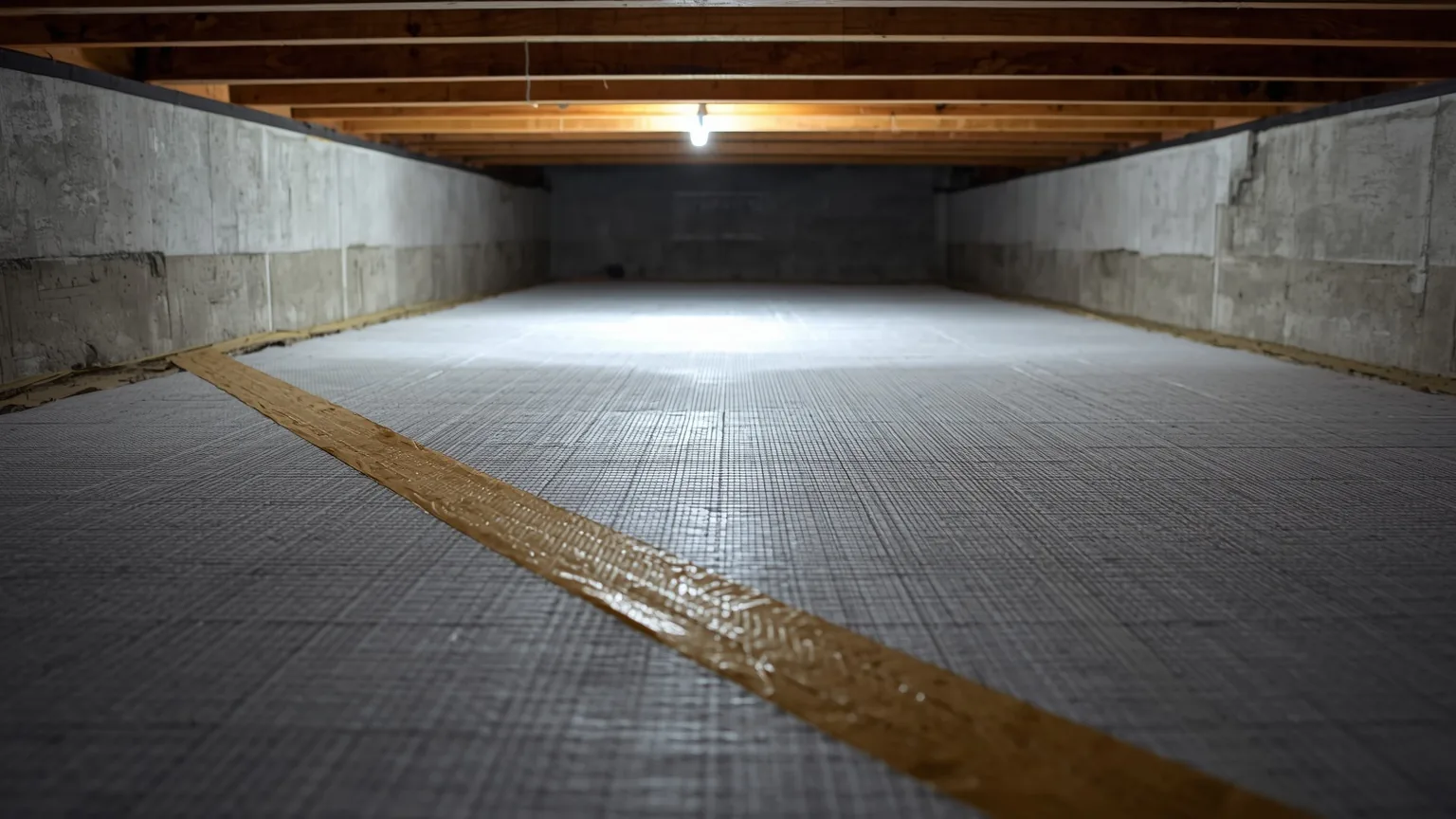
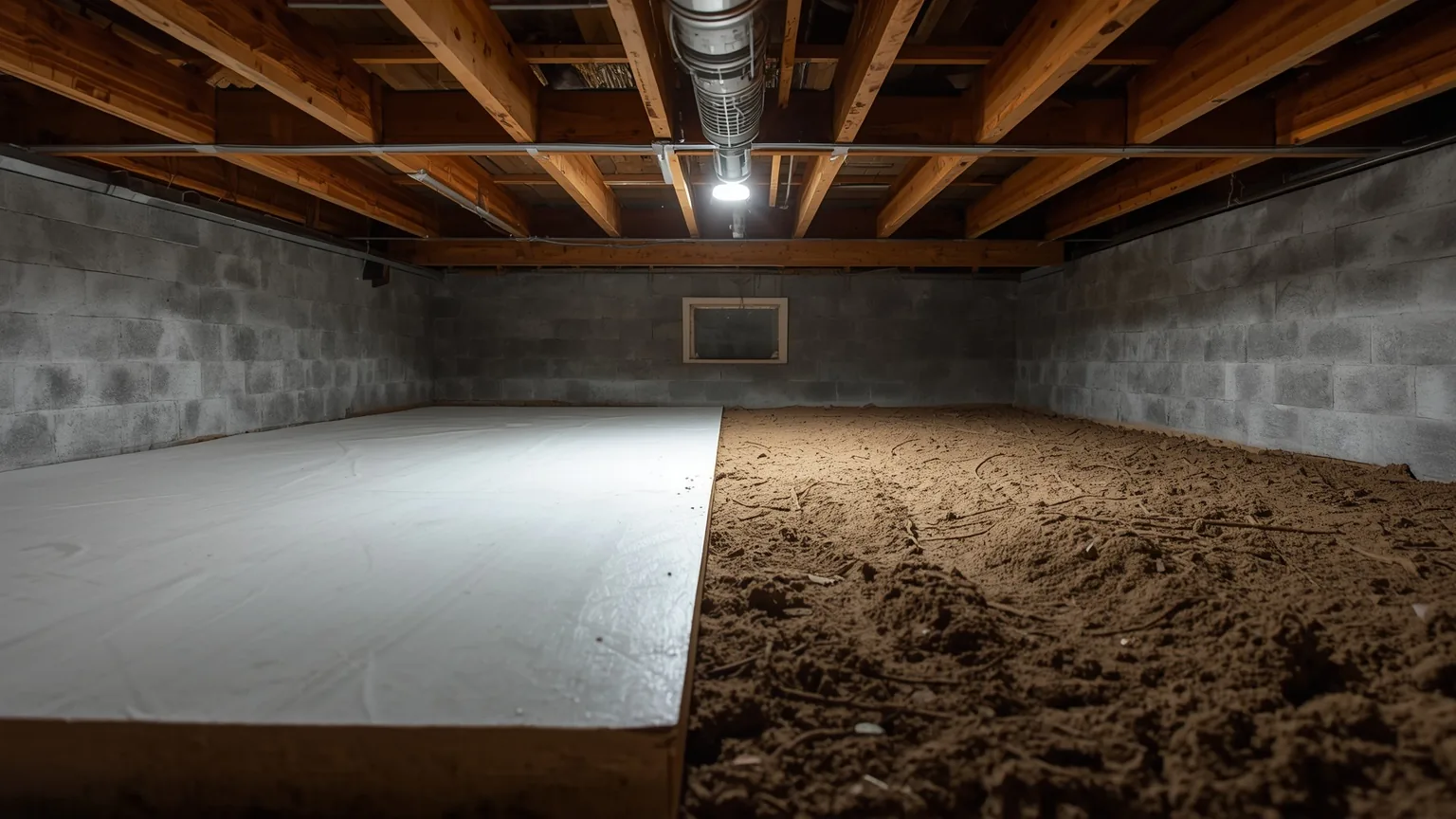
Columbus Crawl Space Solutions arranges vapor barrier installation across Columbus and Central Ohio. A barrier is sheet material laid over exposed earth to stop ground moisture evaporating into the crawl space. Under Ohio's code, covering the ground with a Class 1 vapor retarder also cuts the required ventilation area tenfold — which is why it is a genuine intervention rather than a token one. Call (614) 350-6868 to arrange an evaluation.
What a barrier does, and what it does not
Exposed soil in a crawl space gives off moisture continuously. A barrier interrupts that at the source, and in a space whose problem is ground evaporation it can make a substantial difference for a fraction of the cost of a full system.
What it does not do is address humid outside air coming in through the openings, and it does not stop liquid water. On a lot with a perched water table, a barrier laid over ground that goes wet each spring simply has water underneath it.
Which of those is your dominant source is a measurement question, and it is the entire reason an evaluation should precede a proposal.
Barrier, or encapsulation?
The two get sold under overlapping language, so it is worth being precise.
- A vapor barrier covers the ground. It may be loose-laid or partly sealed. Ventilation openings stay open. Nothing manages humidity actively.
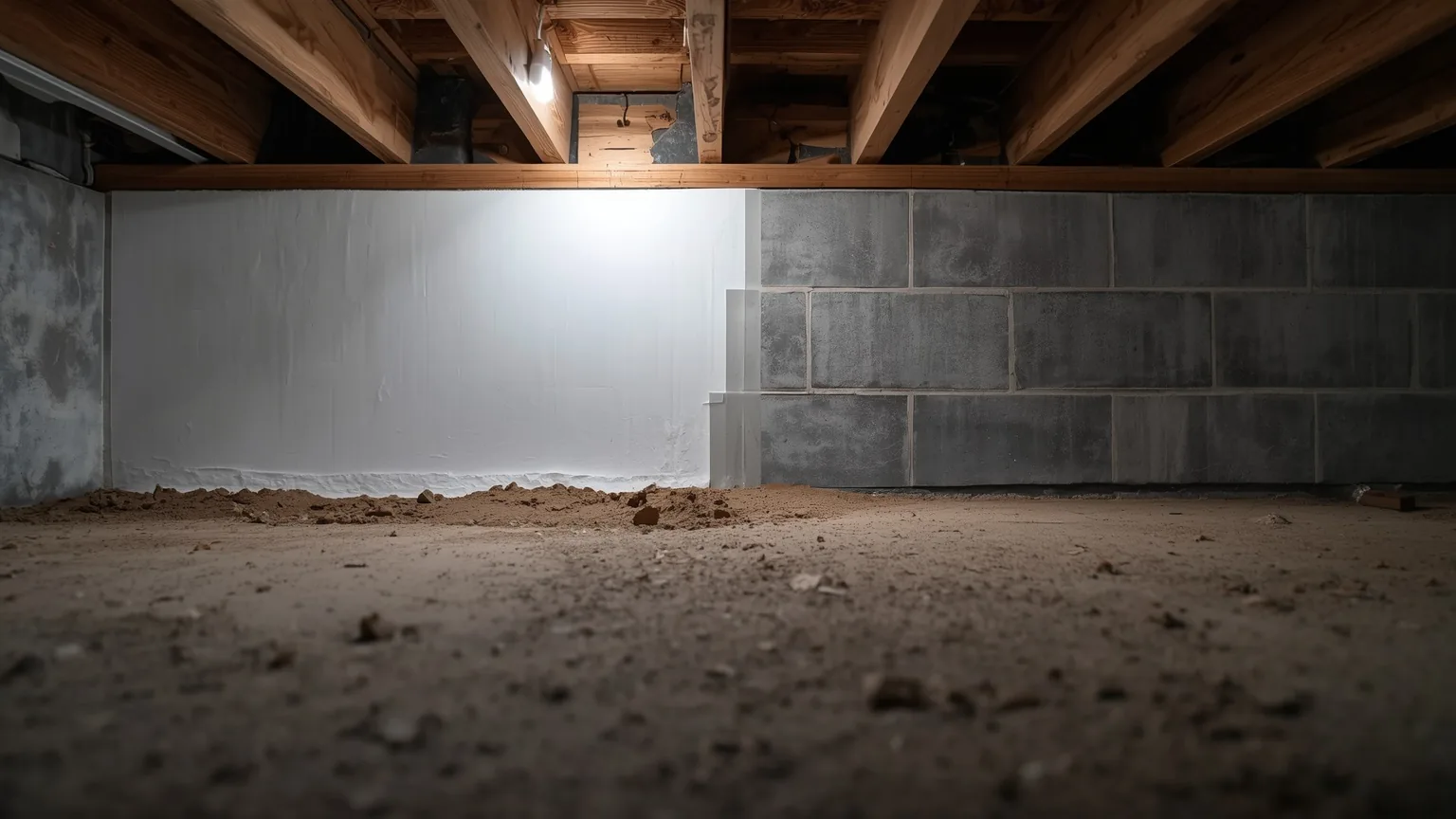
- Encapsulation is a continuous sealed liner over the ground and up the walls, openings closed, and humidity controlled by one of four accepted methods. A system, not a material.
- The practical test is whether the openings are closed and whether anything manages humidity afterward. If either answer is no, it is a barrier.
Where barriers actually fail
Failures cluster in predictable places, and the material is rarely the first thing to go wrong. Seams overlapped but never sealed. Edges stopping short of the wall, leaving a strip of open soil around the entire perimeter. Nothing detailed at piers, columns and plumbing penetrations, so the cover is continuous everywhere except the twenty places it is interrupted. Material chosen to hit a price, which tears the first time somebody crawls across it.
If a barrier is what your house needs, say so and specify it properly. If a sealed system is what it needs, the encapsulation page describes it.
Ohio trades ground cover for ventilation, ten to one
Most homeowners never learn that covering the ground has a code consequence, and in Ohio it is a large one.
Section 408.1 of the Residential Code of Ohio sets the baseline for a conventionally vented crawl space at not less than 1 square foot of net ventilation opening for each 150 square feet of under-floor area, with one opening within 3 feet of each corner. Then it says that where the ground surface is covered by a Class 1 vapor retarder material, that requirement drops to 1 square foot per 1,500 square feet.
The code is conceding the point this page makes: the soil is a major moisture source, and once it is covered the space needs far less air moving through it. It also means that if you are quoted a vented approach with ground cover, this exception is what the design is relying on — and it is fair to ask whether the resulting vent area was actually calculated or simply left as found.
Vapor Barrier Installation questions
Does a vapor barrier change how much ventilation my crawl space needs?
Under Ohio's code, yes, and substantially. Section 408.1 requires 1 square foot of ventilation opening per 150 square feet of under-floor area, but only 1 per 1,500 square feet where the ground surface is covered by a Class 1 vapor retarder. That is a tenfold reduction granted specifically in exchange for covering the ground.
Is a vapor barrier the same as encapsulation?
No. A barrier covers the ground. Encapsulation is a continuous sealed liner over ground and walls, with openings closed and humidity actively controlled. The quick test is whether the vents are closed and whether anything manages humidity afterward.
Will a vapor barrier fix a wet crawl space?
Not if the water is liquid. A barrier stops moisture evaporating up from soil; it does nothing about water arriving from outside or from a perched water table, which simply collects under the sheet. Drainage comes first in that case.
Do the seams need to be sealed?
For a sealed system, yes — Section 408.3 requires joints overlapped 6 inches and sealed or taped, with edges carried at least 6 inches up the stem wall. For simple ground cover, unsealed laps still help but perform noticeably less well, and unsealed seams are among the most common reasons a barrier underdelivers.
Can I install a vapor barrier myself?
Physically it is possible in an accessible space. Doing it well means detailing every pier, column and penetration and getting full coverage to the walls, which is where most homeowner installations fall short. If you hire it out in Columbus, the contractor needs the appropriate city license.
Related crawl space services
Crawl Space Encapsulation
The full sealed system — liner, closed vents and managed humidity.
Crawl Space Moisture Control
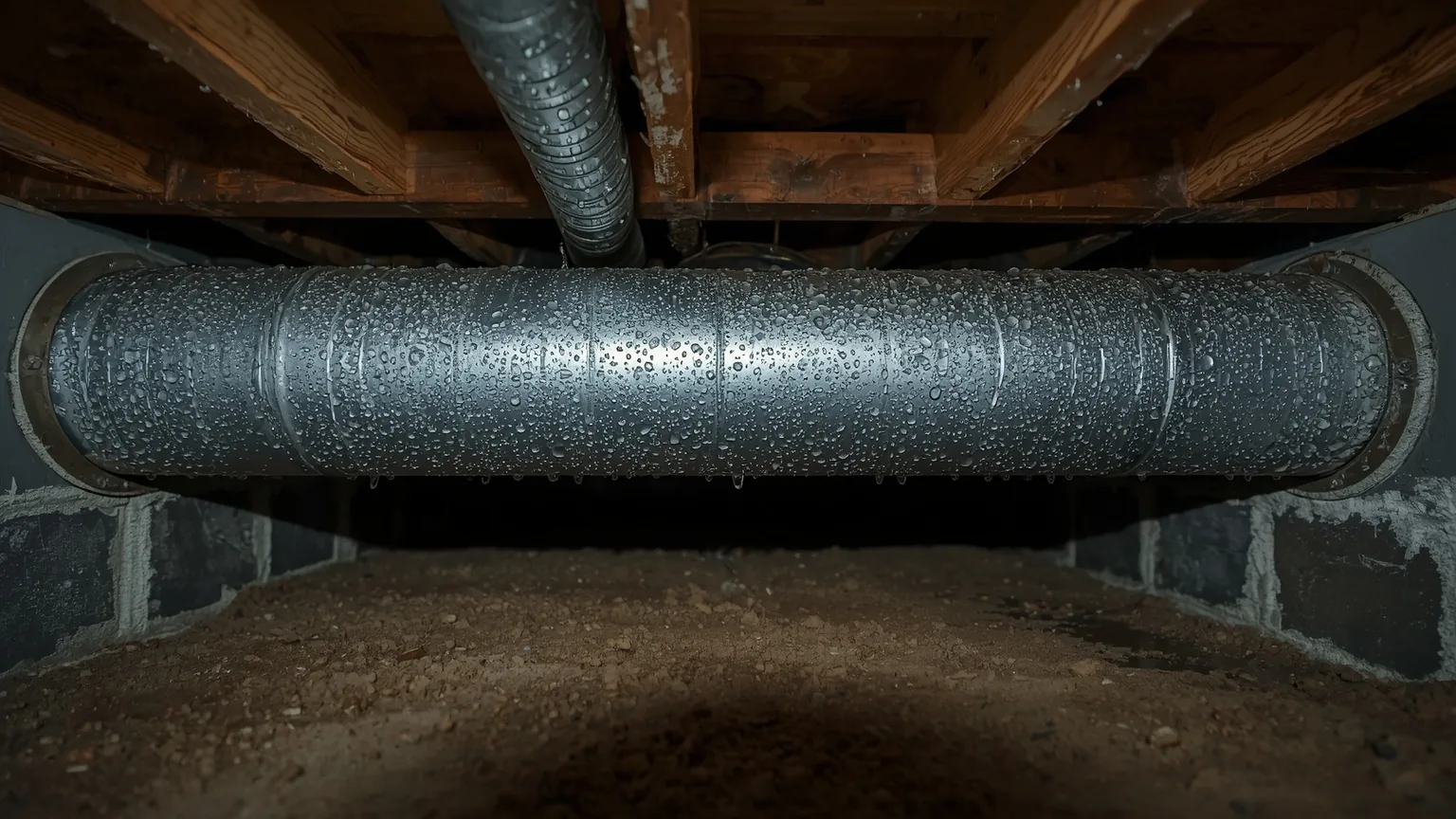
Identifying the source before choosing the remedy.
Crawl Space Insulation
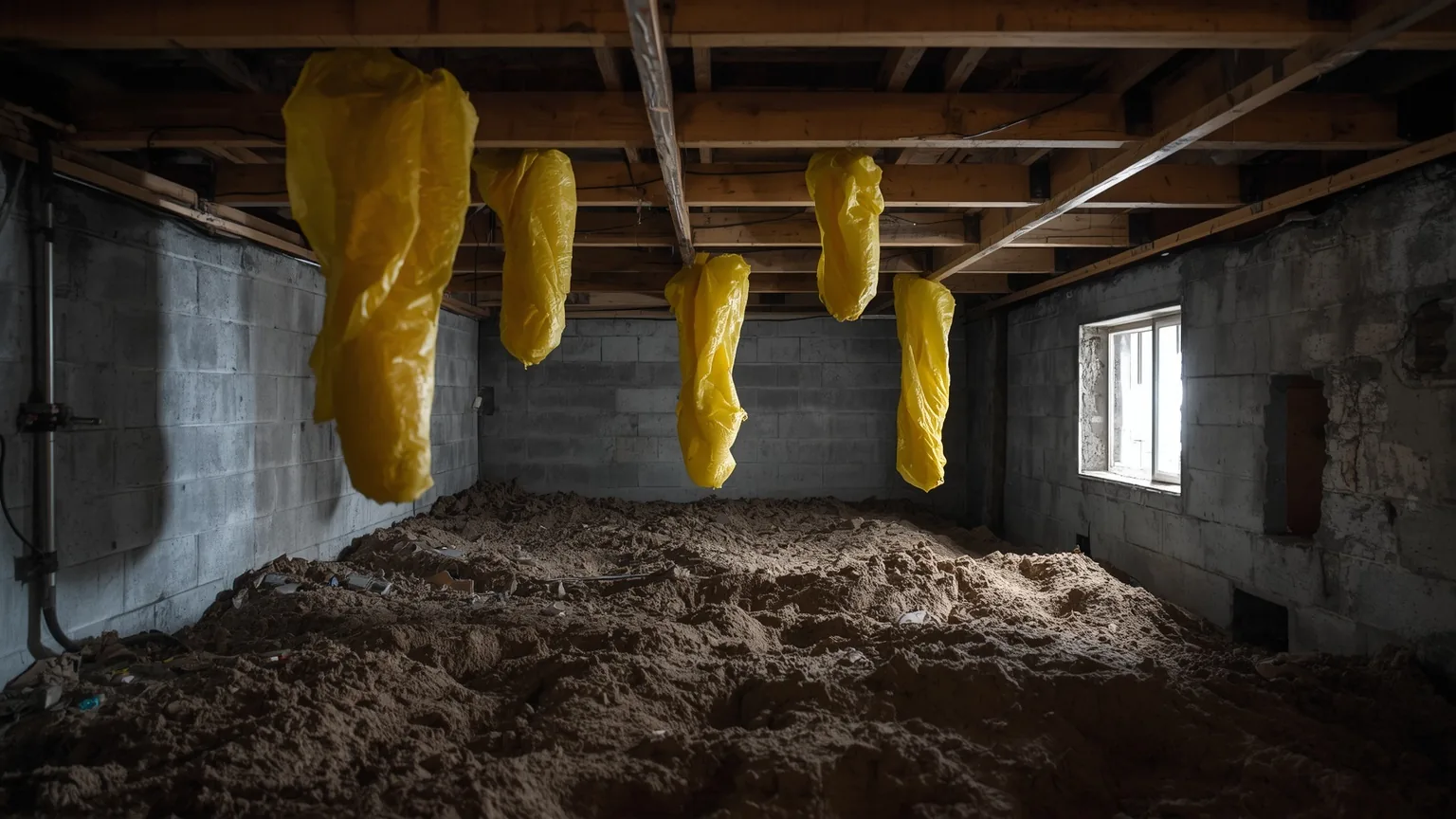
Fallen batts, cold floors, and where insulation actually belongs.
Crawl Space Encapsulation Cost
The variables behind the spread — and why one number cannot be honest.
Find out what is actually causing it.
An inspection underneath, readings taken on site, and a written scope ahead of any figure.