
Crawl Space Insulation in Columbus, OH
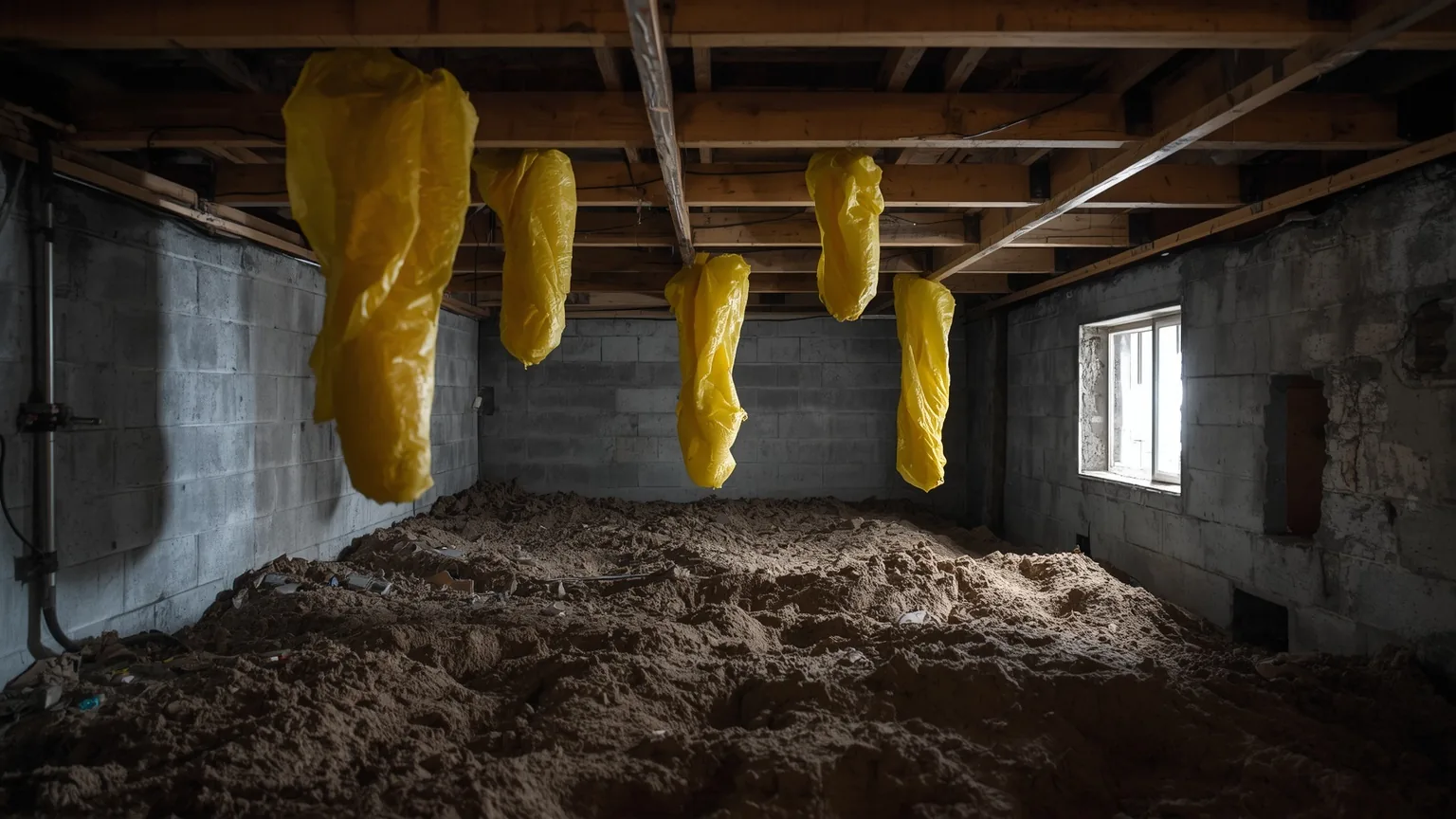
Insulation falling out of the joists is one of the most visible crawl space symptoms and one of the most misread. Putting it back the way it was usually buys a few years at most.
Who handles crawl space insulation in Columbus, OH?
Columbus Crawl Space Solutions arranges crawl space insulation work across Columbus and Central Ohio. Fallen or saturated floor insulation is a moisture symptom rather than an installation failure, so the useful question is not how to reattach it but whether insulation belongs on the floor at all once the space is sealed — a question with real consequences in a climate that freezes. Call (614) 350-6868 to arrange an evaluation.
Why batts fall down
Fiberglass batts between floor joists are held up by friction and by whatever wire or netting was used at installation, and they are open to whatever the crawl space air is doing.
In a damp space that air carries moisture for months at a time. The batts absorb it, gain weight, sag away from the subfloor and eventually let go. Once hanging, two things are true at once: they have stopped insulating, because the air gap they now enclose is not sealed, and they are holding damp material against the underside of your floor.
So a batt on the ground is not a fixing job. It is a report about the conditions in that space, and stapling it back up without changing those conditions restarts the same clock.
The question sealing changes
A crawl space is either inside the building envelope or outside it, and insulation belongs at the boundary.
In a traditional vented crawl space the boundary is the floor above, so insulation goes between the floor joists. In a sealed crawl space the boundary moves to the foundation walls — and Ohio's code assumes exactly that: two of the four conditioning methods in Section 408.3 specify perimeter walls insulated in accordance with the energy provisions.
That is why encapsulation and insulation are not separate decisions. If a space is being sealed, floor insulation may be removed rather than replaced, and a quote that includes both a full seal and fresh floor batts deserves an explanation. It may be right for your house; it may also be two approaches stapled together.
What removal involves
Wet fiberglass in a crawl space is unpleasant, heavy and often contaminated with whatever else has been living down there. It has to be bagged and carried out through the access opening, and disposal is a real line item rather than a rounding error.
It is also the point at which the framing above becomes visible for the first time in years. That is the right moment for a proper look at joists and subfloor, because anything needing repair is far cheaper to reach now than after a liner is installed. If old insulation is coming out, ask whether inspection of what is behind it is included, and ask for photographs.
A cold crawl space is a plumbing risk, not just an energy one
Most crawl space insulation advice is framed around comfort and energy bills. In Central Ohio there is a more immediate reason to care about how cold that space gets.
John Glenn International Airport averages 97.7 nights a year at or below freezing, with a December-to-February mean of 31.9 degrees F. A vented crawl space tracks outdoor temperature fairly closely, which means anything in it holding water spends a substantial part of the winter near or below freezing — supply lines, dehumidifier condensate lines and sump discharge lines included.
This is where the insulation question and the sealing question meet. Insulating the floor above keeps the house warmer while leaving the crawl space cold, and the pipes are in the cold part. Sealing the space and insulating the perimeter instead brings the crawl space closer to house temperature. Both are legitimate approaches, but only one of them changes the freeze exposure of what is running through the space, and that difference rarely appears on a quote.
Crawl Space Insulation questions
Why does my crawl space insulation keep falling down?
Almost always because it has absorbed moisture, gained weight and pulled away from its supports. That is a symptom of the conditions in the space rather than a fault in the installation, so reattaching it without addressing the moisture produces the same result again.
Does encapsulation mean removing floor insulation?
Often, because sealing moves the insulated boundary from the floor to the foundation walls. Ohio's code reflects this — two of the four conditioning methods in Section 408.3 require perimeter walls to be insulated. Whether it comes out in your case is an evaluation question, but a scope that seals the space and also installs fresh floor batts deserves an explanation.
Will insulating my crawl space stop my pipes freezing?
It can help, but the honest answer is that it depends on where the pipes are and what the space becomes. A vented crawl space in Central Ohio tracks outdoor temperature closely, and with roughly 98 freezing nights a year that is a genuine risk. A sealed, conditioned crawl space stays far closer to the house temperature, which is one of the real advantages of the sealed approach here.
Is wet insulation a health hazard?
We do not make health claims. What we can say is that wet fiberglass holds moisture against the underside of your floor, stops performing as insulation, and should be removed and disposed of properly rather than left in place or reattached.
Can I just add more insulation?
Adding material to a space that is destroying the existing material does not usually end well. The moisture conditions are the thing to change first; the insulation decision follows from what the space becomes.
Related crawl space services
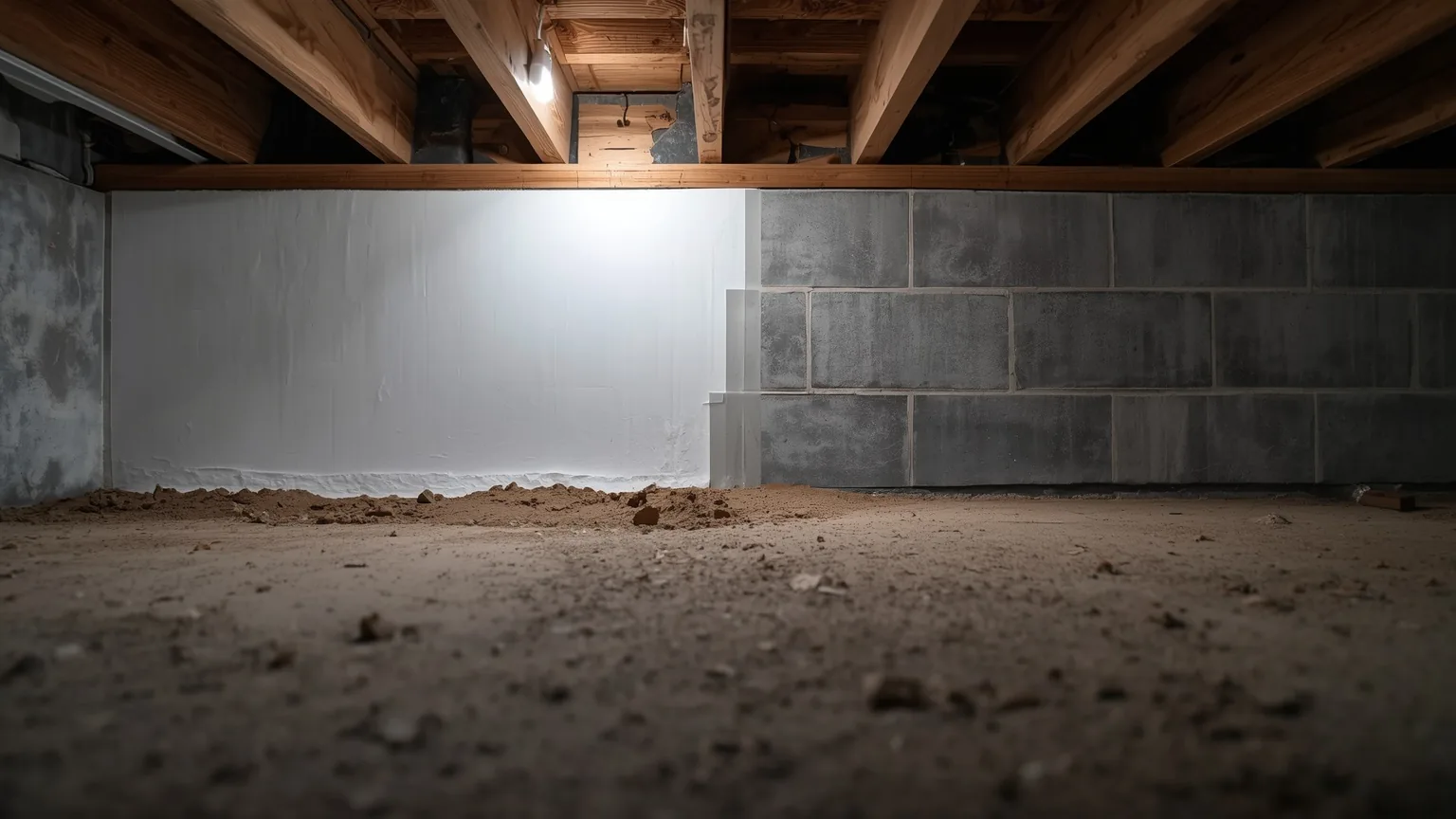
Crawl Space Encapsulation
The full sealed system — liner, closed vents and managed humidity.
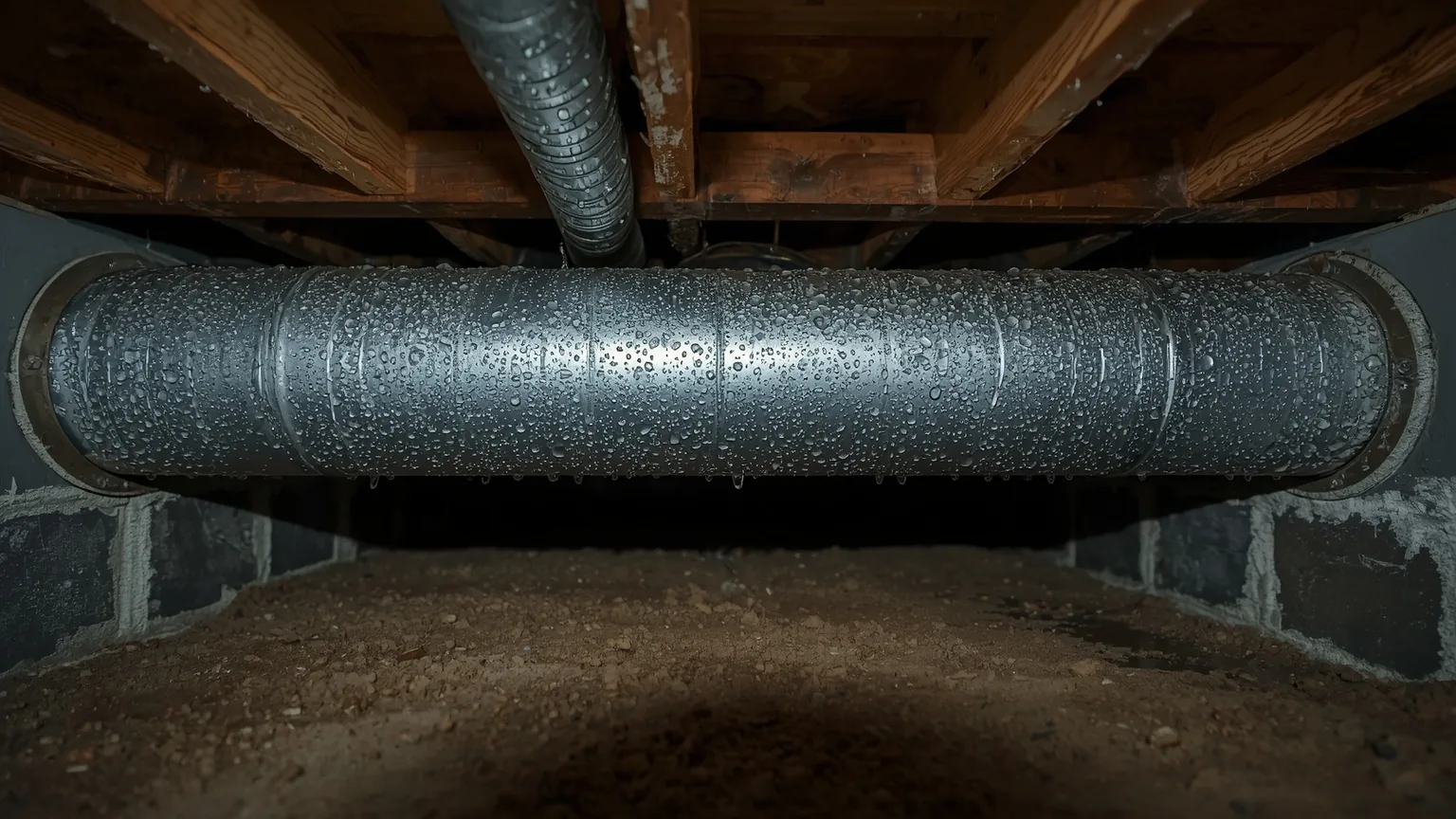
Crawl Space Moisture Control
Identifying the source before choosing the remedy.
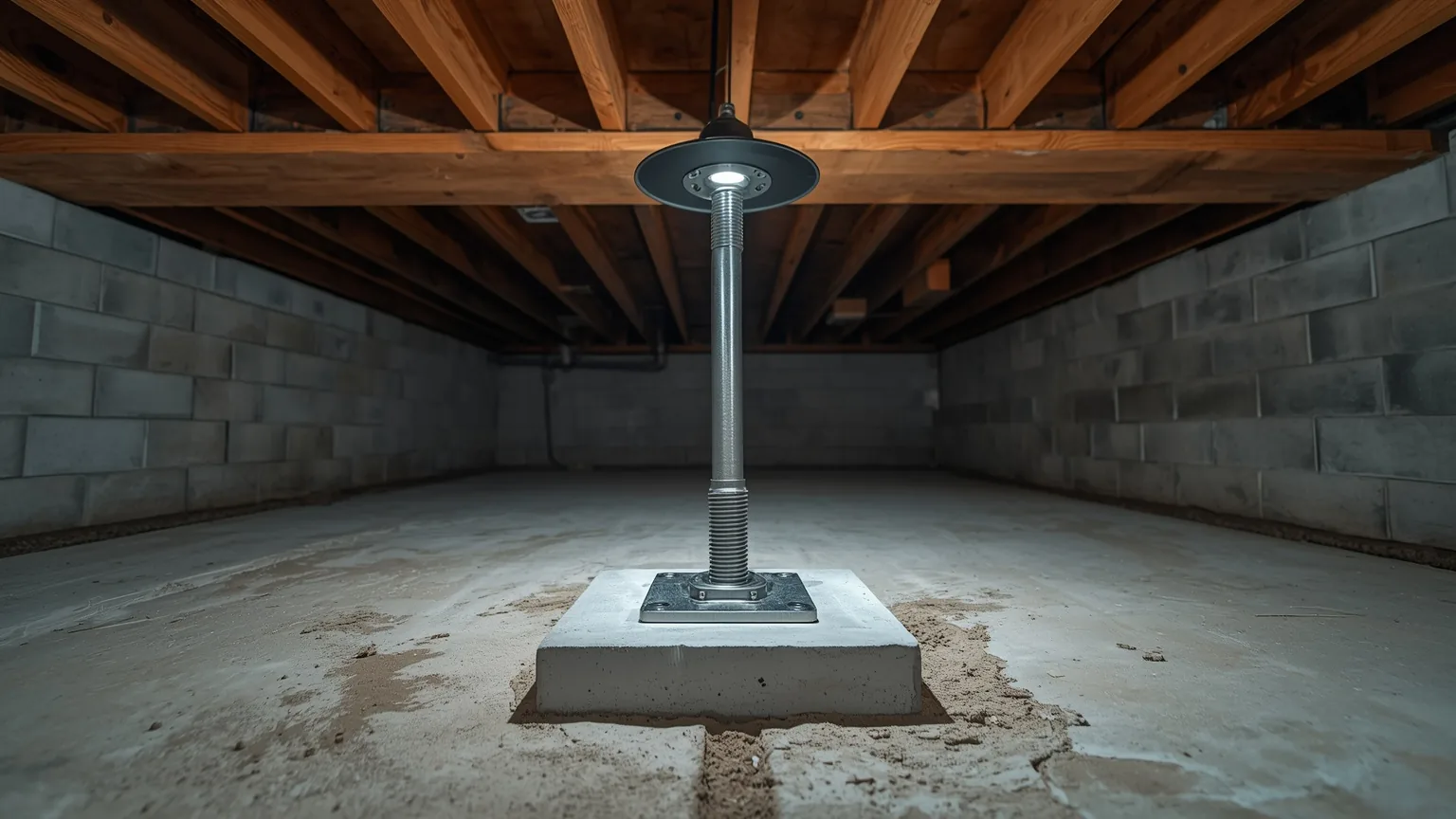
Crawl Space Repair
Sagging floors, deteriorated framing and failed supports — cause first.
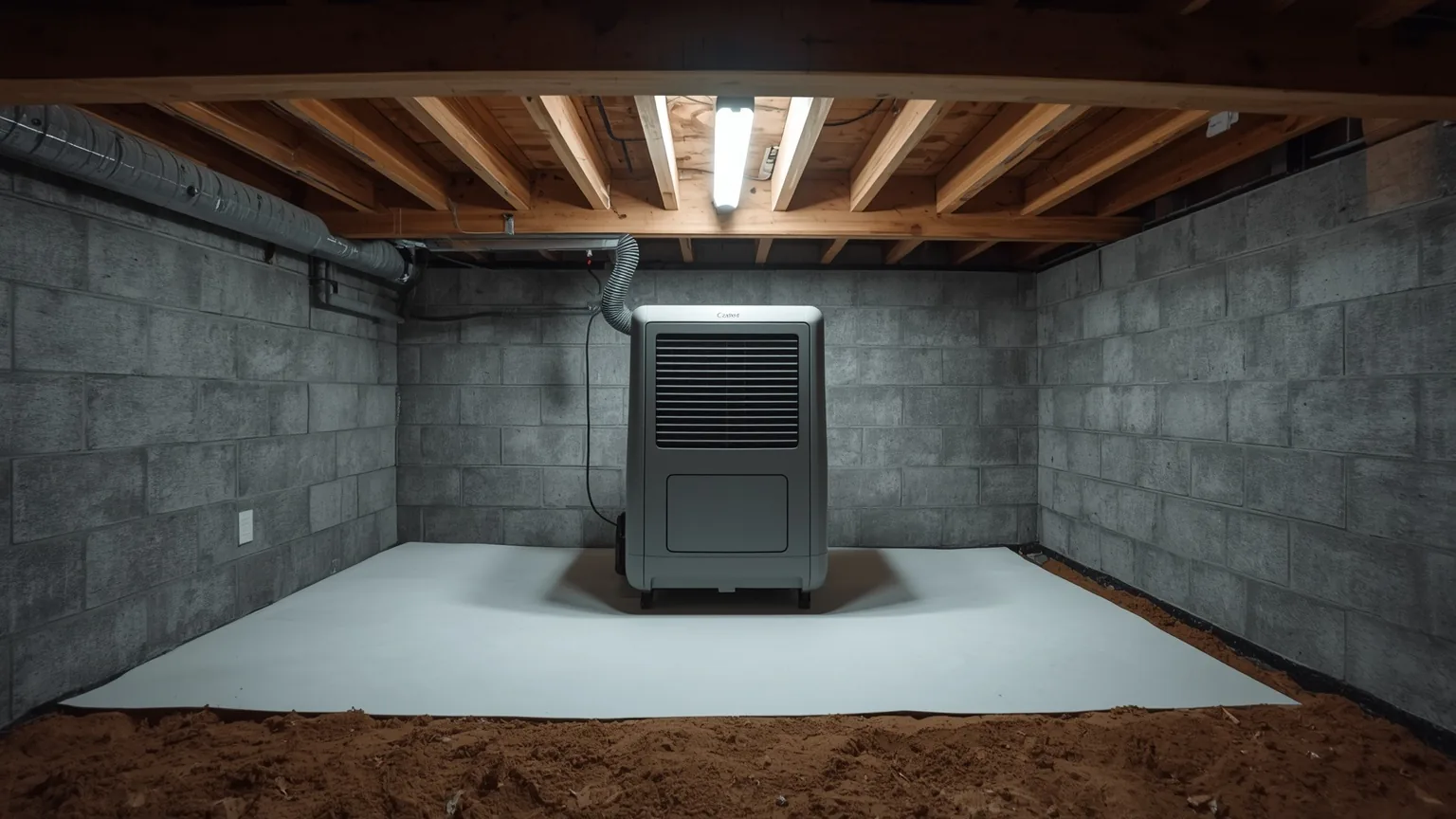
Crawl Space Dehumidifiers
When a unit is warranted, and the capacity Ohio actually requires.
Find out what is actually causing it.
An inspection underneath, readings taken on site, and a written scope ahead of any figure.