
Crawl Space Encapsulation in Columbus, OH
Encapsulation seals the crawl space off from the ground and the outside air, then controls what is left. Ohio's code treats it as a complete system, and it is worth knowing what that system has to include before you compare quotes.
Who handles crawl space encapsulation in Columbus, OH?
Columbus Crawl Space Solutions arranges crawl space encapsulation across Columbus, Franklin County and the surrounding communities. Encapsulation means a sealed liner over the ground and up the walls, vents closed, and humidity actively managed by one of the methods Ohio's code accepts. It treats vapor and humid air — liquid water and damaged framing are dealt with first. Call (614) 350-6868 to arrange an evaluation.
What encapsulation is, in Ohio's terms
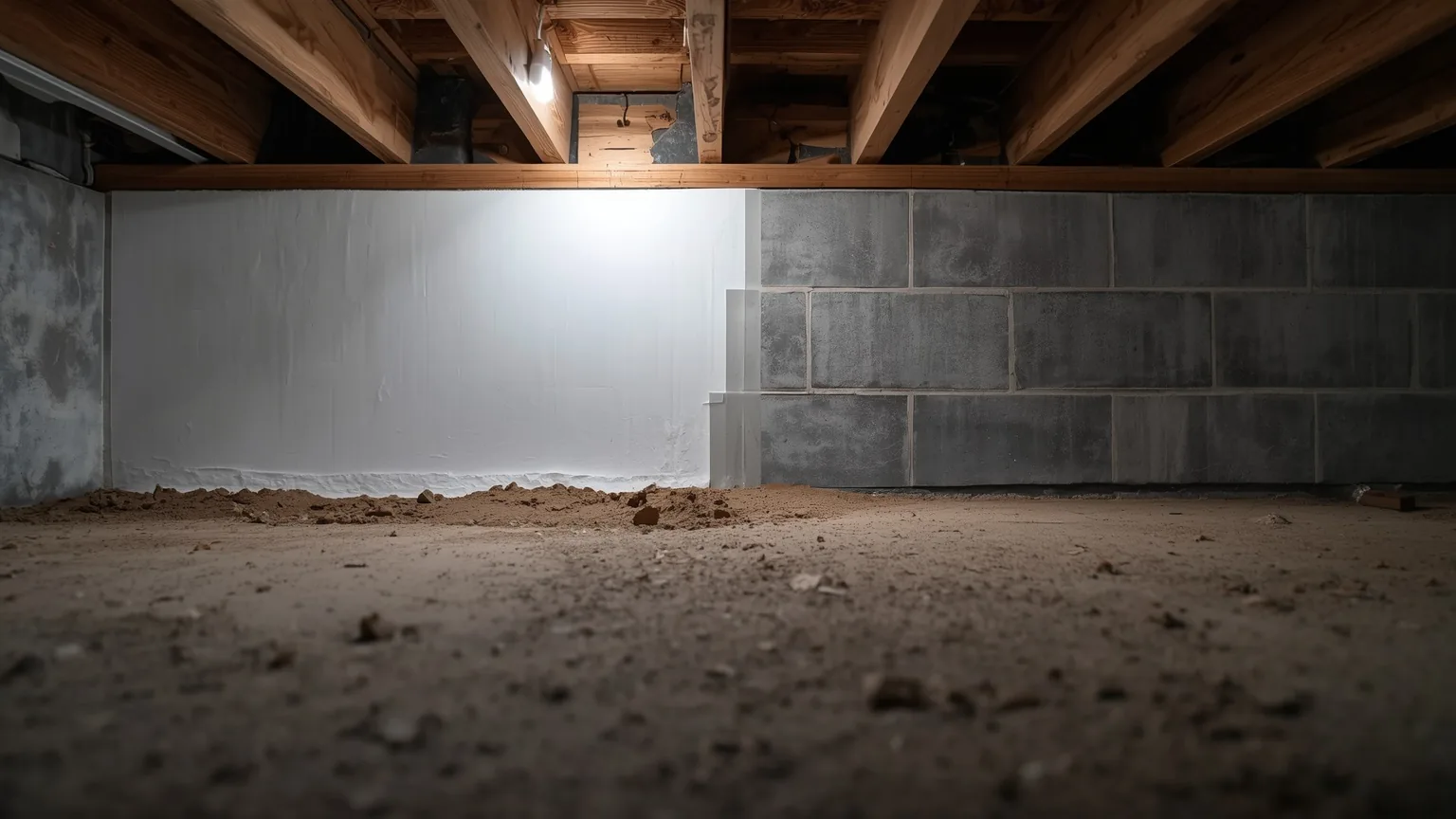
A crawl space is encapsulated when the ground is covered by a continuous sealed liner, that liner is carried up and attached to the foundation walls, the ventilation openings are closed, and the humidity in the resulting sealed space is deliberately controlled.
Ohio frames this as an exemption rather than a product. Section 408.3 of the Residential Code of Ohio says the ventilation openings otherwise required in Sections 408.1 and 408.2 are not required where two things are provided: a continuous Class I vapor retarder over the exposed earth, and one of four accepted ways of conditioning the space.
That structure matters when you read a quote. Closing the vents is not the job — closing the vents is what you are allowed to do because you did the job. A proposal that seals a crawl space and specifies neither a compliant liner nor a conditioning method has not met the section it is relying on.
The four accepted conditioning methods
Section 408.3 accepts exactly four. Which one a contractor assumes changes both the price and the ongoing running cost, so it belongs in writing.
- Continuously operated mechanical exhaust at 1 cubic foot per minute for each 50 square feet of crawl space floor area, with an air pathway to the common area and perimeter walls insulated.
- A conditioned air supply sized to deliver 1 cubic foot per minute for each 50 square feet of under-floor area, with a return air pathway and insulated perimeter walls.
- A plenum in an existing structure where the under-floor space is used as a plenum and complies with the mechanical provisions.
- Dehumidification sized to a capacity Ohio actually specifies in the code — the figure is on the <a href="/crawl-space-dehumidifiers/">dehumidifier page</a>, and it is checkable against any quote.
When encapsulation is the wrong first move
If liquid water enters the crawl space, sealing it in is the most expensive mistake available in this trade. A liner over an active water source hides the water, holds it against the ground and the foundation, and removes the evaporation that was partly clearing it. Water is resolved first through drainage or wider waterproofing.
That sequencing carries more weight in Central Ohio than in a drier market, because the wet season here is long and quiet. A crawl space inspected in August can be genuinely dry and still take on water every spring.
Structural problems follow the same rule. Where joists, girders or supports have already deteriorated, the repair happens first — the liner is in the way of every one of those repairs, and in Columbus that work also requires a differently licensed contractor.
And not every crawl space needs this. A dry space with a sound barrier and framing in a normal moisture range does not need a five-figure intervention to make it better.
What a real scope should tell you
A quote that reads as one line and one number for "encapsulation" is not a scope. Ask which liner product is being installed and what class it meets, how seams are treated, how far up the wall the liner goes and how it is fastened, what happens at piers and penetrations, whether the ventilation openings are being closed, which of the four conditioning methods is included and at what capacity, and what is specifically excluded.
Two contractors can use the same word and describe genuinely different work at a similar price. The itemized version is the only way to compare them. Our cost page works through the variables and the contractor page covers how to verify who is bidding.
Ohio does not use the section number you will find online
If you search for crawl space code requirements you will land on Section R408 of the International Residential Code. Ohio does not use that numbering. The Residential Code of Ohio is published in the Ohio Administrative Code as rule 4101:8-4-01, and the crawl space provisions run from Section 408.1 to Section 408.6 with no R.
The distinction is not pedantry. Ohio has amended the substance in at least one place that costs real money — the dehumidification capacity in item 2.4 of Section 408.3 is a specific number here and an open-ended reference to manufacturer's specifications in the model code. A contractor quoting against a generic online IRC reference is quoting against a document that does not govern your house.
The current rule took effect on March 1, 2024. If a proposal cites R408 or quotes requirements that do not appear in 4101:8-4-01, that is a fair thing to ask about before signing.
Crawl Space Encapsulation questions
Does crawl space encapsulation stop standing water?
No. Encapsulation addresses ground vapor and humid air. Liquid water arriving from outside or from a perched water table runs over or under the liner and stays there. Water is resolved first through grading, drainage or a sump, and only then does sealing make sense.
What does Ohio's code require for a sealed crawl space?
Section 408.3 of the Residential Code of Ohio requires a continuous Class I vapor retarder over the exposed earth with joints lapped 6 inches and sealed, carried at least 6 inches up the stem wall, plus one of four conditioning methods: mechanical exhaust, a conditioned air supply, a plenum arrangement, or dehumidification at a specified capacity.
Do I have to close the foundation vents?
Only if you are building the space as an unvented crawl space under Section 408.3, which is what encapsulation is. Closing vents without a compliant liner and a conditioning method leaves the space neither properly vented nor properly sealed, and it can perform worse than before.
What should be fixed before encapsulation?
Active water entry, plumbing leaks, and any framing or support that has already deteriorated. All three are cheaper and easier to reach before a liner is installed, and structural work in Columbus requires a contractor licensed for it. Sealing over any of them hides the problem rather than solving it.
Is encapsulation worth it in Columbus?
It is worth it where the problem is ground vapor and humid air, which describes a large share of crawl spaces here. Where a perched water table puts liquid water under the house each spring, encapsulation alone is not worth it and can make matters worse. Readings taken on site are what separate the two.
Related crawl space services
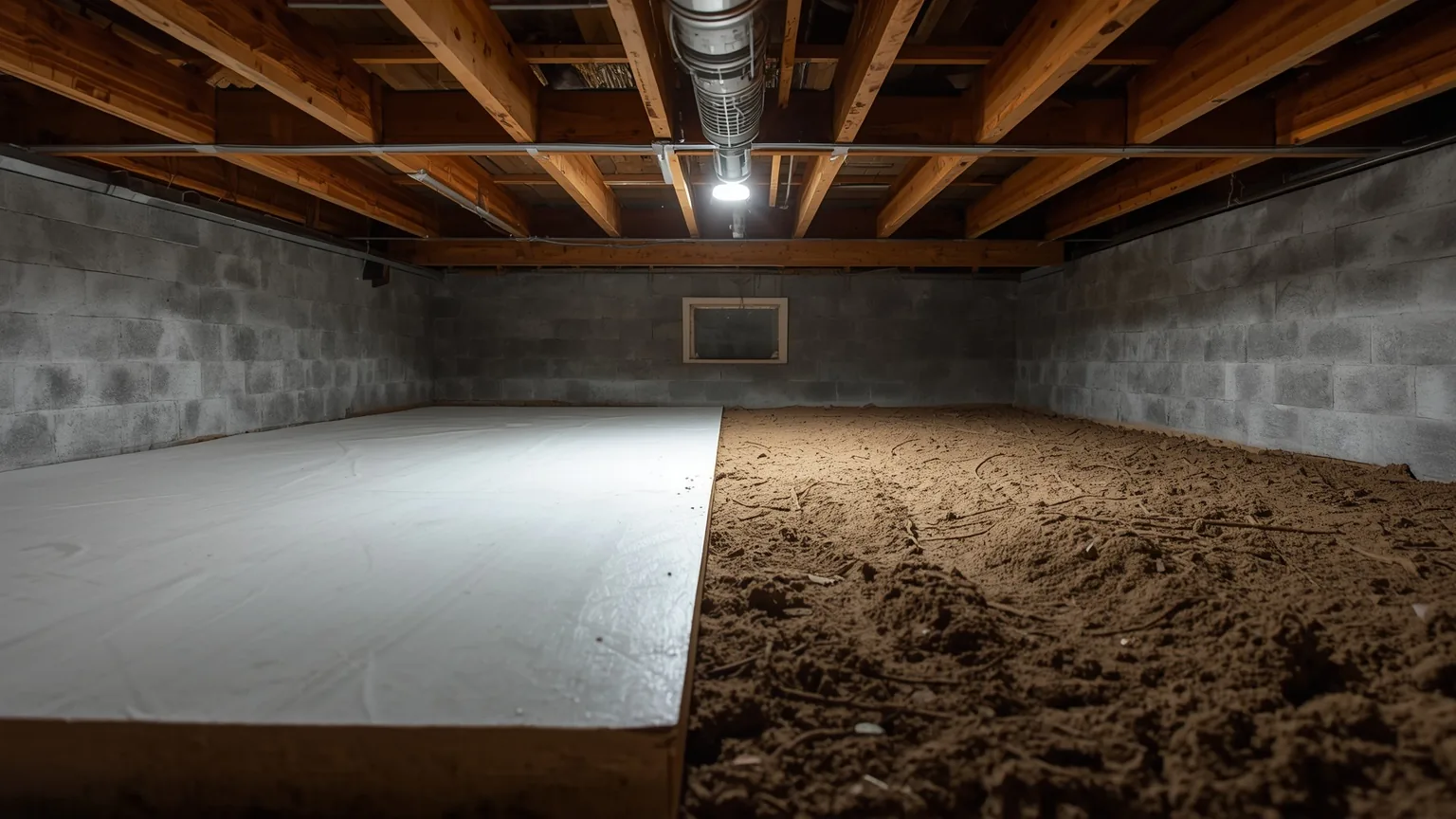
Crawl Space Encapsulation Cost
The variables behind the spread — and why one number cannot be honest.
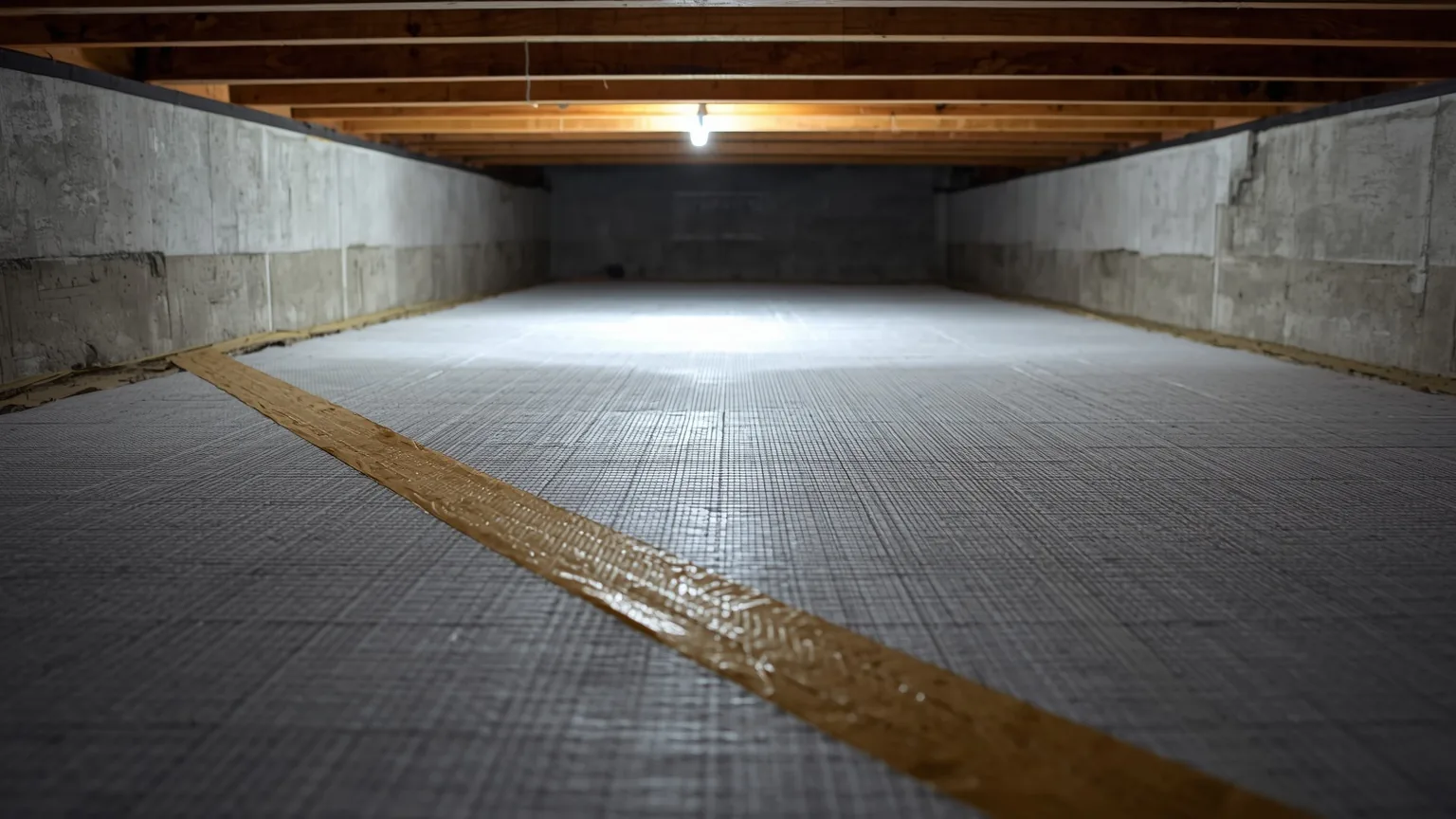
Vapor Barrier Installation
Ground cover that stops soil moisture — and what it does to code.
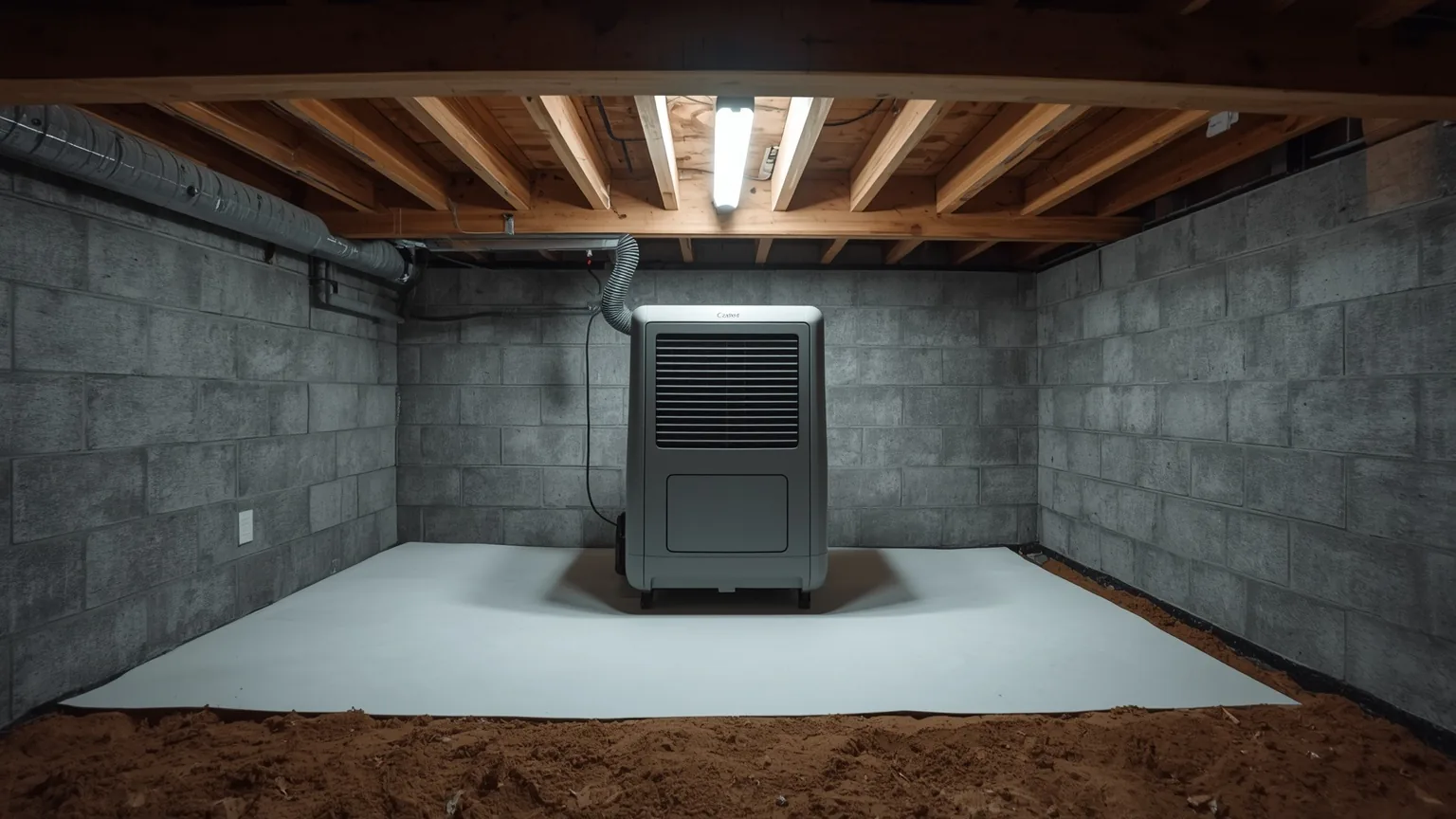
Crawl Space Dehumidifiers
When a unit is warranted, and the capacity Ohio actually requires.
Crawl Space Encapsulation Contractor
Which city license each job needs, and what to verify before hiring.
Find out what is actually causing it.
An inspection underneath, readings taken on site, and a written scope ahead of any figure.