
Crawl Space Sump Pump Installation in Columbus, OH
A sump pump is the exit for a drainage system. In a climate with about a hundred freezing nights a year, the exit is the part worth scrutinizing.
Who handles crawl space sump pumps in Columbus, OH?
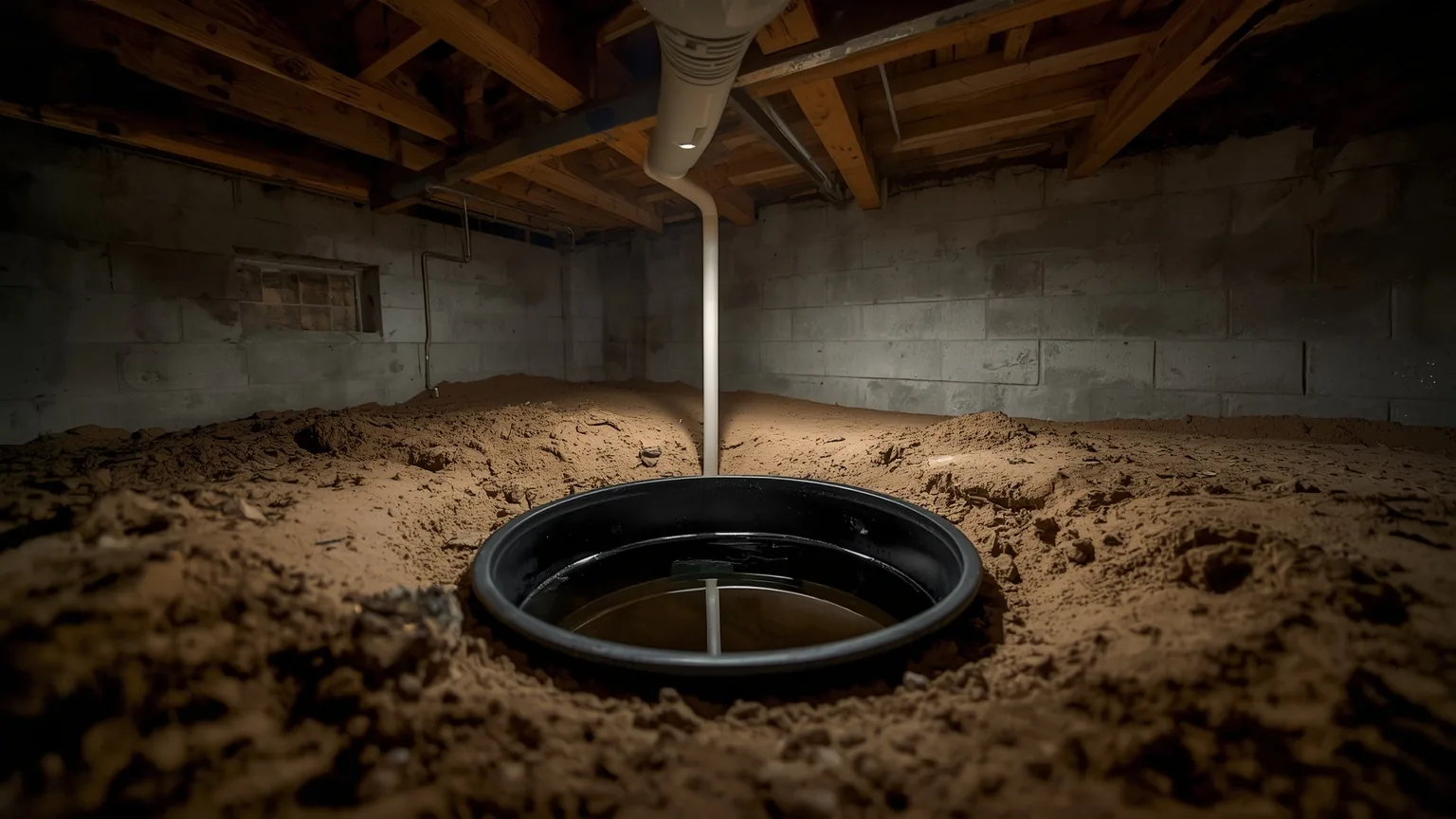
Columbus Crawl Space Solutions arranges crawl space sump pump installation across Columbus and Central Ohio. A sump system is a basin set at the low point, a pump, and a discharge line carrying water clear of the foundation. It works as the outlet of a drainage system that collects water and delivers it to the basin — a pump alone does not make a wet crawl space dry. Call (614) 350-6868 to arrange an evaluation.
The three parts, and why the pump is the least interesting one
A sump system is a basin, a pump and a discharge route. Homeowners focus on the pump because it is the part with a brand and a horsepower rating. In practice the other two decide whether the system works.
- The basin. Set at the genuine low point, deep enough for a sensible on-off cycle, and able to receive the drainage that feeds it. A basin in the wrong place cannot be fixed with a better pump.
- The pump. Sized to the water it will actually see, with a float or switch arrangement that will not jam. Short-cycling wears a pump out early.
- The discharge. Rigid line, pitched to drain, routed somewhere the water will not simply return — and in this climate, routed so it does not freeze. Covered below.
What feeds it
A pump can only move water that reaches it. If the crawl space floor does not drain toward the basin, or there is no drainage collecting water and delivering it there, the pump sits dry while water stands ten feet away.
This is the most common disappointment with sump systems and it is a design failure rather than an equipment failure. The basin is the outlet of a collection system, and the collection system does the actual work.
Testing, and being honest about the electrical side
Pumps fail, and they usually fail silently in a place nobody visits. Testing means pouring water into the basin and confirming the pump starts, moves it and stops — not simply lifting the float, which proves only that the switch moves. Twice a year is a reasonable rhythm, and here the useful timing is autumn, before the wet season, and again in spring.
On the electrical work: this is a job for a licensed electrician, who in Columbus needs both an Ohio state license and city registration. A dedicated circuit, correct protection and a receptacle positioned sensibly for a damp location are the sort of things to expect. If a quote has a pump being plugged into whatever happens to be nearby, that is worth questioning.
An alarm is cheap and underrated — something that tells you the pump has failed before the crawl space tells you.
The discharge line is what fails in an Ohio winter
Most sump pump advice is written for climates where the discharge is a plumbing detail. In Central Ohio it is the weak point in the system.
John Glenn International Airport records an average of 97.7 days a year with a minimum temperature at or below freezing — close to one night in four — against a December-to-February mean of 31.9 degrees F. A sump discharge is typically a small-diameter line carrying intermittent water to an exterior point, and intermittent water in a cold line is exactly the condition that produces an ice plug.
The consequence is not a wet pipe, it is a pump that runs against a blockage during the wettest part of the year while the crawl space refills. That makes three details worth settling in the written scope rather than on the day: where the line terminates, whether it is pitched so it drains completely between cycles, and how any exposed run is protected. It is also the strongest practical argument for an alarm, because this failure is silent until it is not.
Crawl Space Sump Pumps questions
Do I need a sump pump in my crawl space?
Only where liquid water genuinely collects. A humid but dry crawl space has a vapor problem, and a sump pump does nothing for it. Where water does collect — which here is often seasonal rather than storm-driven — a pump is the outlet of a drainage system rather than a standalone fix.
Can a sump pump discharge line freeze in Columbus?
Yes, and it is the most common cold-weather failure of an otherwise sound system. The airport records about 98 nights a year at or below freezing, and a small-diameter line carrying intermittent water is vulnerable. Where it terminates, how it is pitched to drain between cycles, and whether the exposed run is protected all matter.
Why does my sump pump never run when the crawl space is wet?
Almost always because water is not reaching the basin. Either the floor does not fall toward it or there is no drainage collecting water and delivering it there. That is a design problem, and a larger pump will not change it.
How often should a sump pump be tested?
About twice a year — autumn before the wet season starts, and again in spring. Pour water into the basin rather than just lifting the float, so you confirm the pump moves water and shuts off, and check the discharge is delivering it clear of the house.
Do I need a battery backup?
It depends on consequence. If the system carries real volume through the wet months, a backup and an alarm are reasonable. If inflow is occasional and modest, backup matters less — but an alarm is worth having either way, because silent failure is the normal failure mode.
Related crawl space services
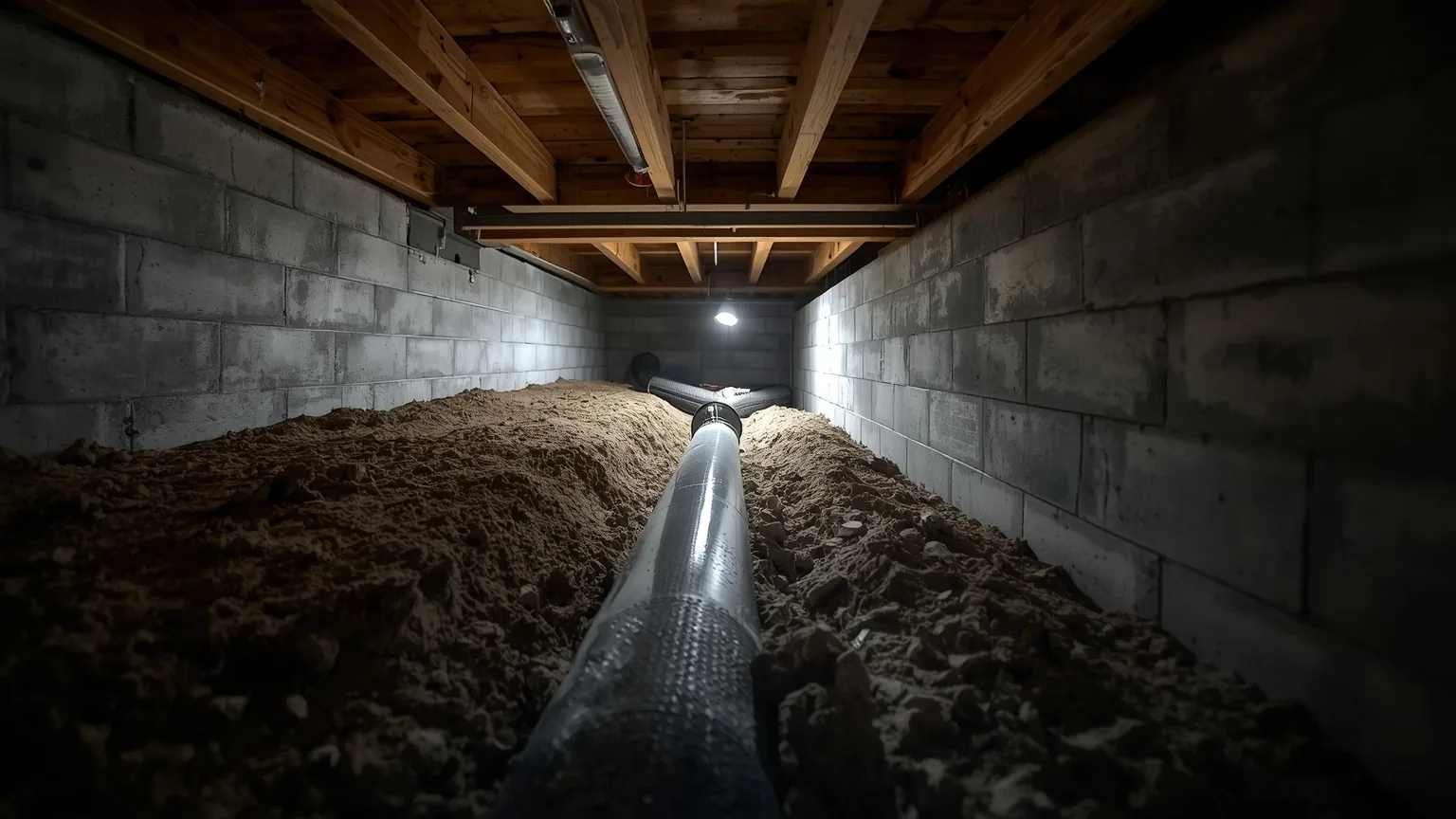
Crawl Space Drainage
A route out for water, once the cheap causes are eliminated.
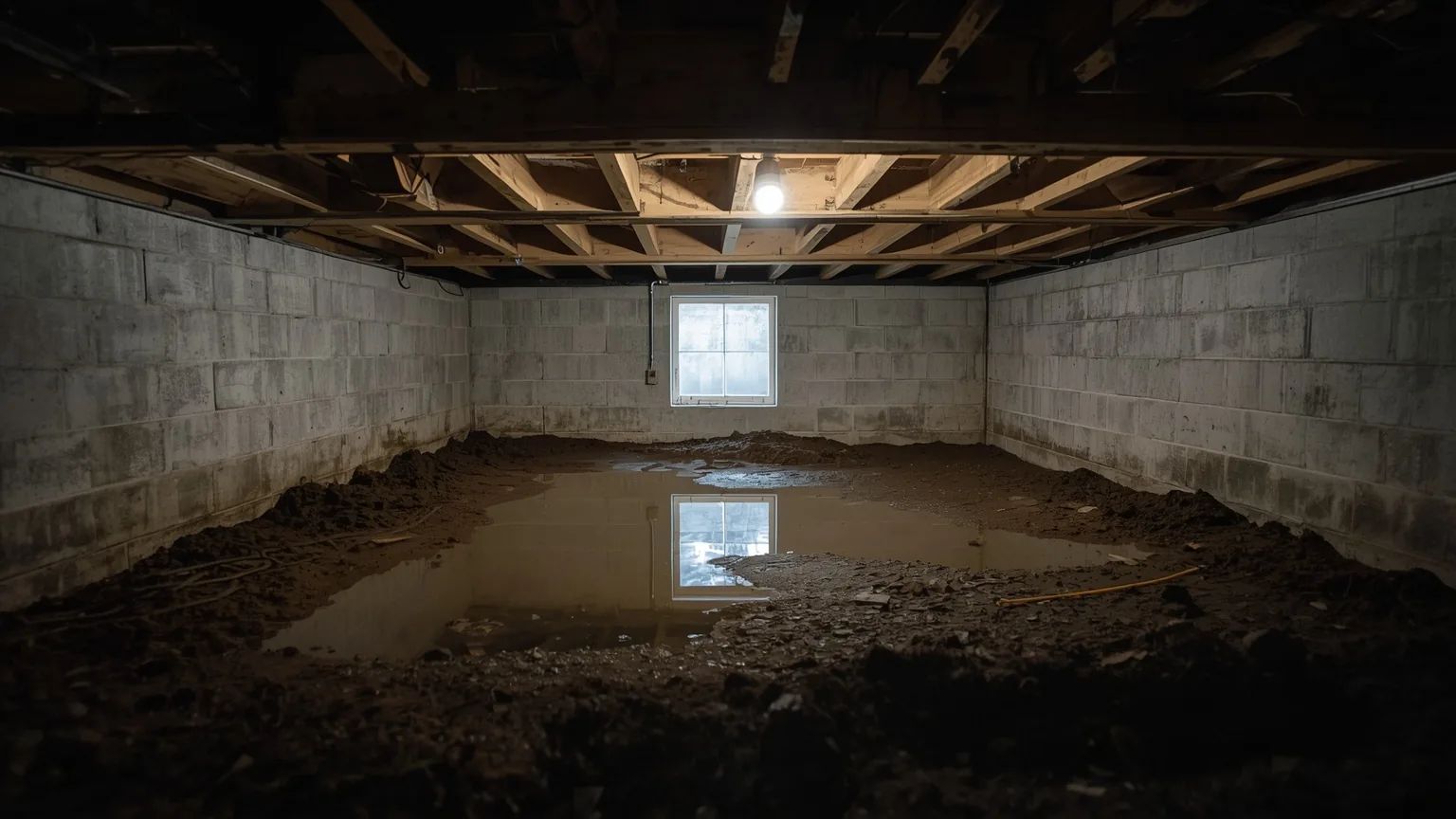
Crawl Space Waterproofing
Stopping liquid water from arriving — outside causes checked first.
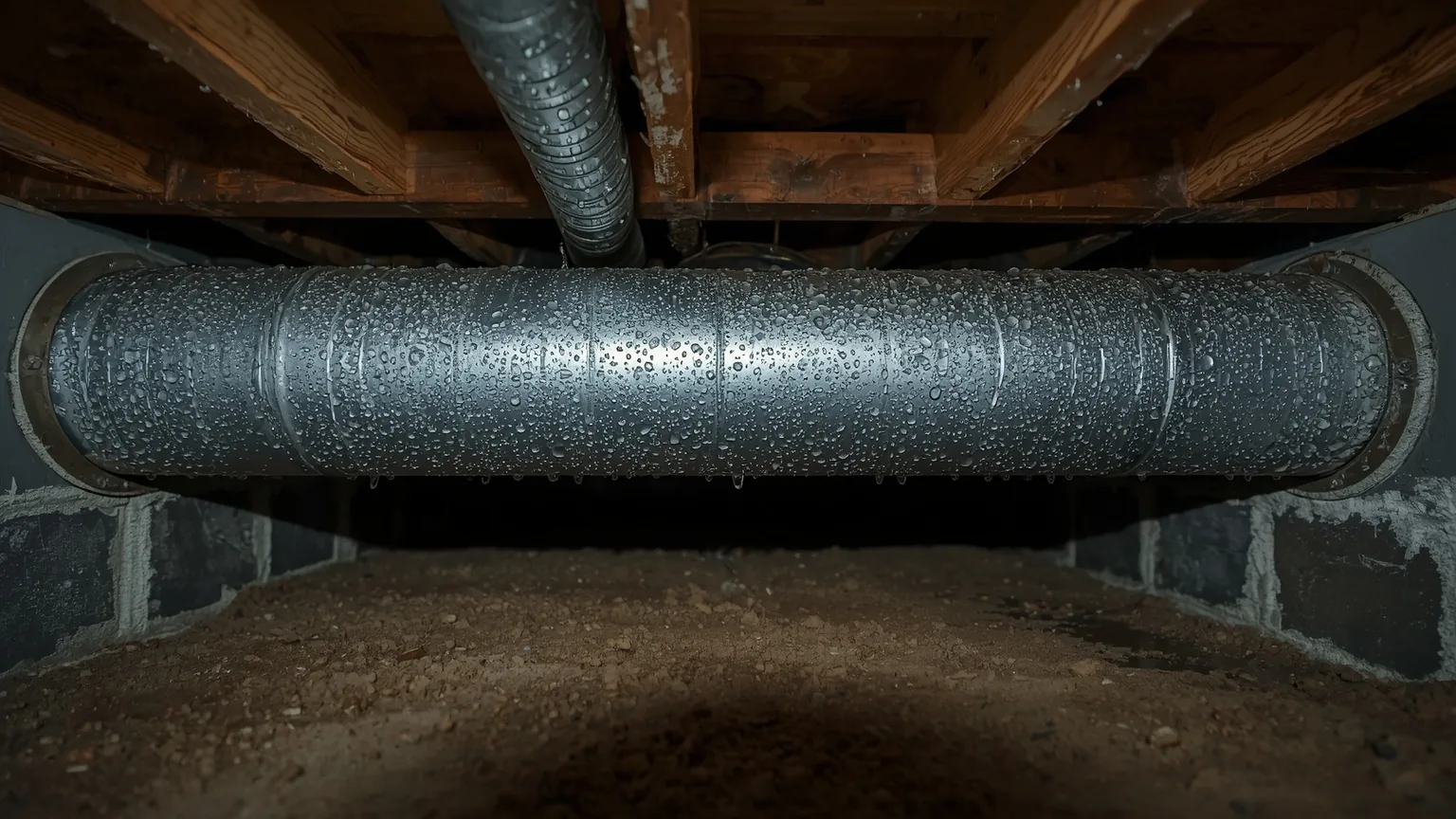
Crawl Space Moisture Control
Identifying the source before choosing the remedy.
Crawl Space Encapsulation
The full sealed system — liner, closed vents and managed humidity.
Find out what is actually causing it.
An inspection underneath, readings taken on site, and a written scope ahead of any figure.