
Crawl Space Moisture Control in Columbus, OH
Moisture control is the diagnosis, not the product. Damp under a floor arrives from the ground, from the air, or from a leak, and the three call for different work.
Who handles crawl space moisture control in Columbus, OH?
Columbus Crawl Space Solutions arranges crawl space moisture control across Columbus and Central Ohio. The work starts by establishing where the moisture is actually coming from — soil evaporation, humid outside air, or liquid water — because a barrier, a dehumidifier and a drain solve three different problems and only one of them will be yours. Call (614) 350-6868 to arrange an evaluation.
Three sources, three different fixes
Almost every damp crawl space is damp for one or more of three reasons, and separating them is what an evaluation is for.
- Soil evaporation. Bare earth releasing moisture continuously. Addressed by covering the ground with a <a href="/vapor-barrier-installation/">barrier</a>.
- Humid air through the openings. Warm outdoor air entering and condensing on cooler surfaces. Addressed by sealing and conditioning — ventilation makes this one worse.
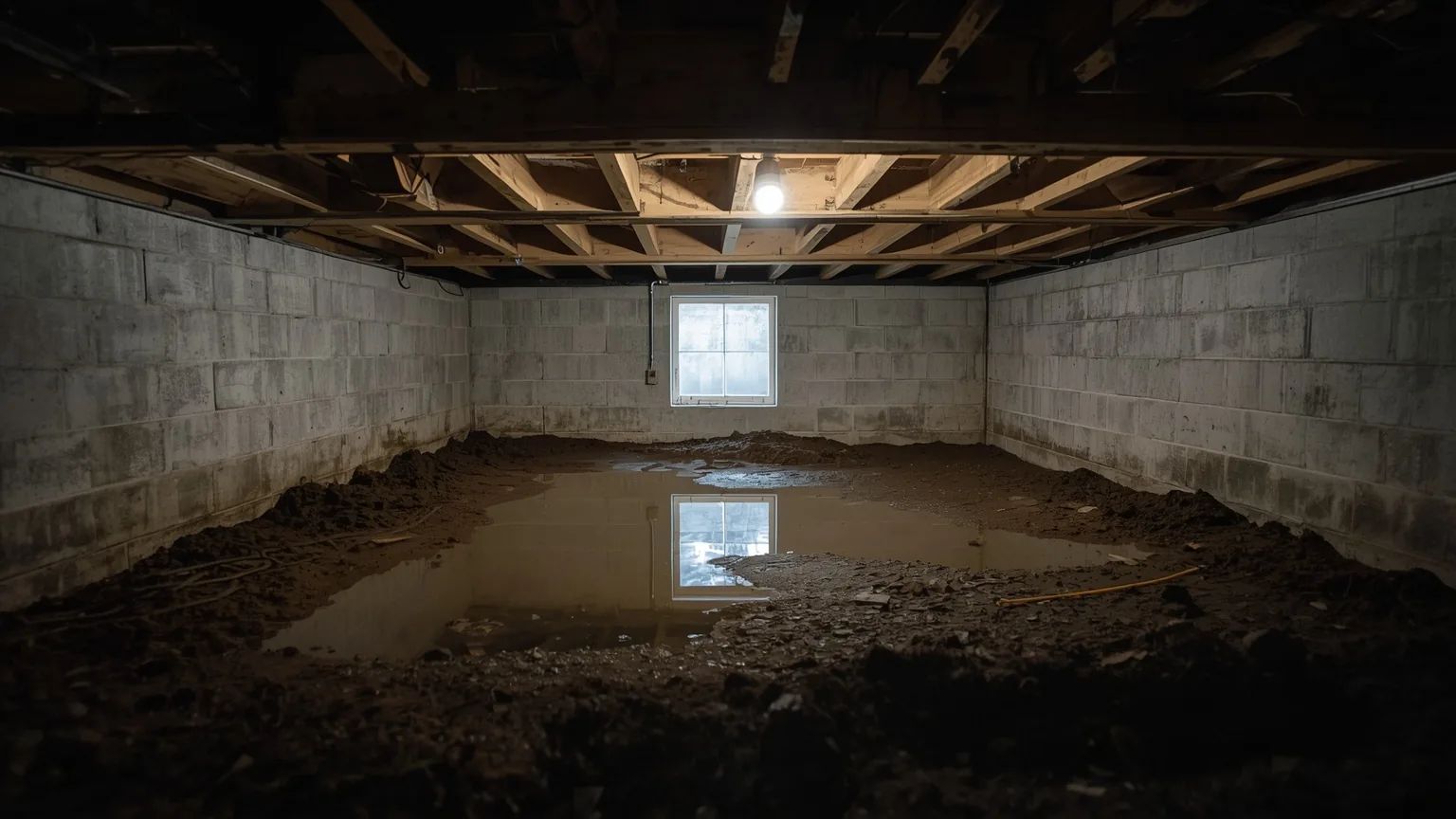
- Liquid water. Runoff, snowmelt or a perched table. Addressed by grading, <a href="/crawl-space-drainage/">drainage</a> or a sump, and not by any amount of sealing.
Columbus has two damp seasons, and they are different
Most crawl space advice assumes one moisture season. Central Ohio has two, driven by different mechanisms, and confusing them leads to buying the wrong remedy.
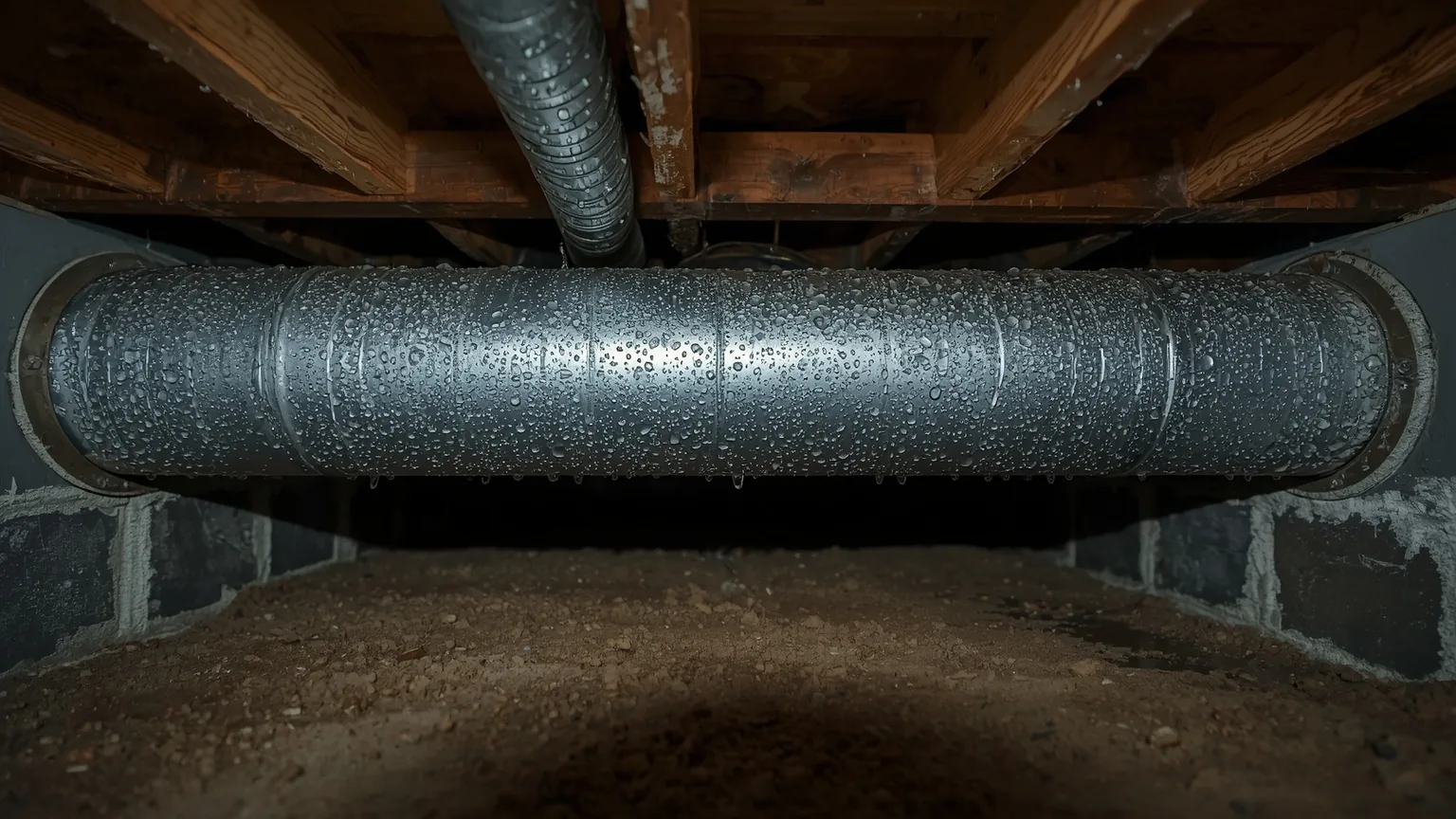
In summer the mechanism is condensation. Warm air holds far more moisture than cool air, so when June-to-August air comes through the openings and meets ductwork, water lines and the underside of the subfloor sitting below its dew point, that moisture lands on them as liquid water. More ventilation makes this worse.
From late autumn to spring the mechanism is the ground. The perched water table is up, evaporation is at its lowest, and the space stays damp without any help from the air at all. Ventilation does not fix that either.
A space that reads high in both seasons usually has both, which is common here and is why the sequence matters more than the product.
What gets measured
Relative humidity in the crawl space, and ideally outside at the same time, since the comparison tells you whether the space is tracking the outdoor air or generating its own load. Moisture content of the framing, which is the number that matters structurally — wood becomes vulnerable to fungal decay at around 20 percent. Surface temperatures on ducts and pipes, because condensation is a dew point question rather than a humidity question.
A single visit is a snapshot, and in this climate a snapshot taken in the wrong season is actively misleading. Where the picture is ambiguous, monitoring across a stretch of weather says considerably more.
Thirty-nine inches, spread across seventy-eight days
Columbus takes 39.31 inches of precipitation in an average year on the 1991-2020 normals for John Glenn International Airport. That is less than the humid Southeast, and it is the wrong number to focus on.
The more useful figure is 78.5 — the number of days in an average year with a tenth of an inch of rain or more. Roughly one day in five puts measurable water into the ground. Add 26.7 inches of average annual snowfall, much of which leaves as meltwater against foundations rather than as runoff, and the picture is not one of dramatic storms but of ground that rarely gets a long enough dry spell to recover.
That is the shape of the problem here. Framing is not damaged by one wet month; it is damaged by a wet season it never fully dries out from before the next one begins. It is also why the damage is almost always found late — nothing dramatic happened on any particular date.
Crawl Space Moisture Control questions
What humidity should a crawl space be at?
The useful target is keeping framing moisture content below roughly 20 percent, which is where fungal decay becomes possible. That is a wood measurement rather than an air measurement, which is why a proper evaluation meters the framing instead of relying on a hygrometer reading alone.
Will opening more vents dry out my Columbus crawl space?
Not in summer, when incoming warm air deposits moisture on cooler surfaces rather than removing it. And not in winter either, when the dampness is coming from a perched water table in the ground rather than from the air. Ventilation is not the lever in either season.
How do I tell ground moisture from air moisture?
By pattern and by measurement. Damp that peaks in July with condensation on ducts points at air. Damp that runs from November to May with wet ground and dry pipes points at the perched table. Comparing indoor and outdoor readings at the same moment separates them more reliably than either alone.
Is a musty smell a health problem?
We are not qualified to make health claims and do not make them. What can be said is that air moves upward through a house, so crawl space air reaches the rooms above, and a persistent musty smell is a reliable indicator of sustained moisture worth diagnosing on building grounds alone.
Does moisture control require sealing the whole space?
No. If the source is bare ground, covering it may be enough. Sealing is warranted where humid air is a dominant load. The measurements decide, which is the entire argument for diagnosing before buying.
Related crawl space services
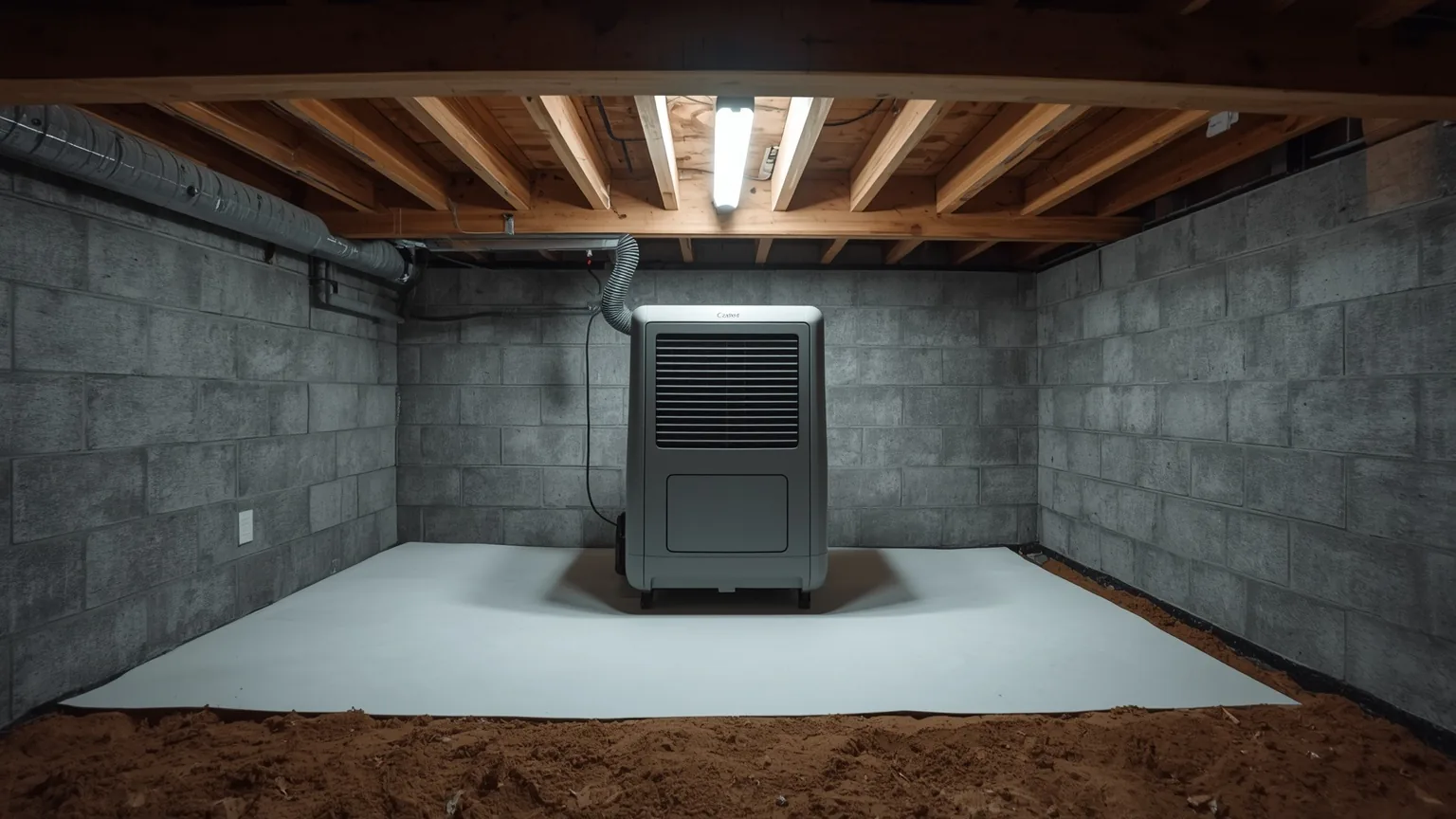
Crawl Space Dehumidifiers
When a unit is warranted, and the capacity Ohio actually requires.
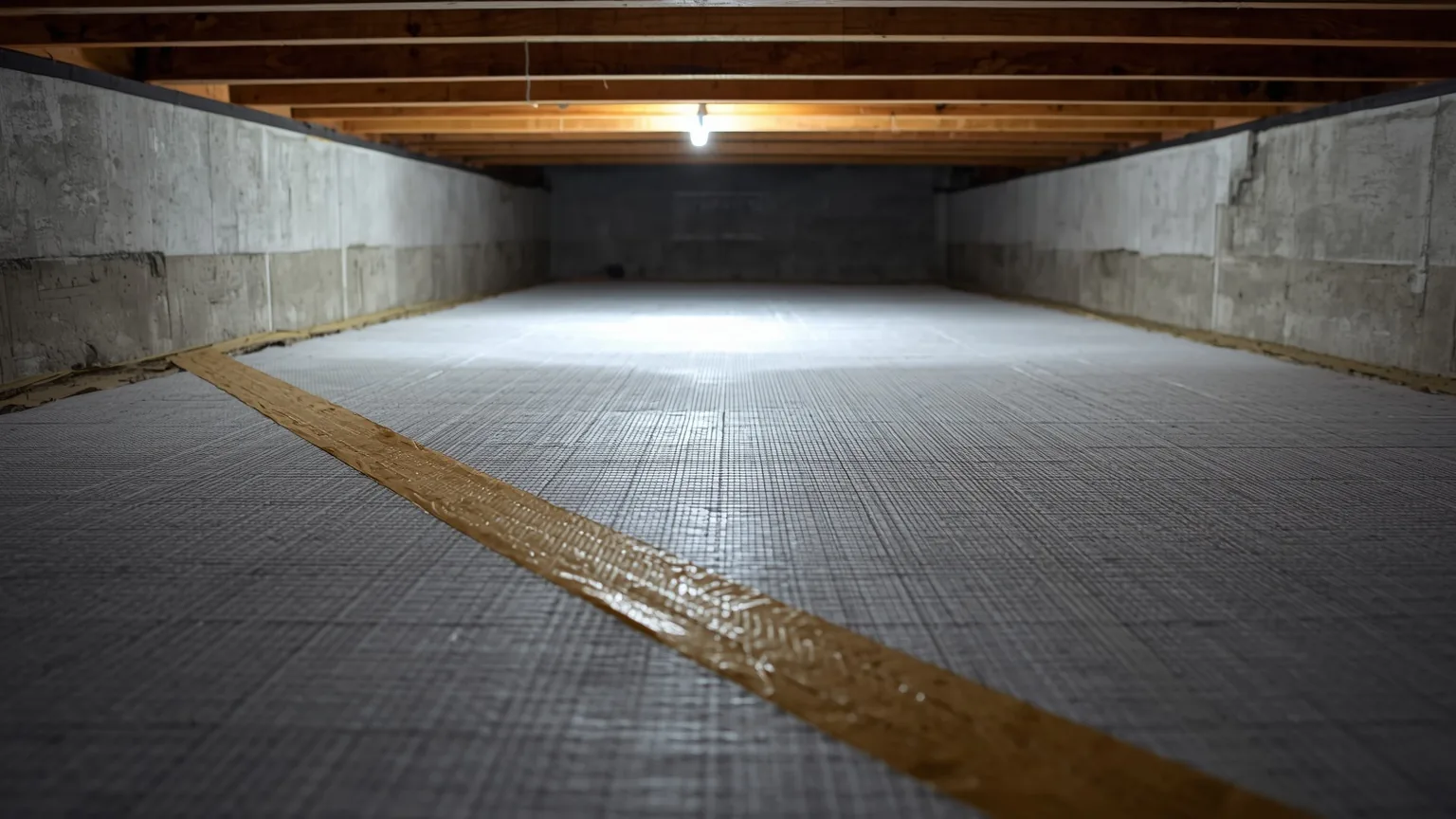
Vapor Barrier Installation
Ground cover that stops soil moisture — and what it does to code.
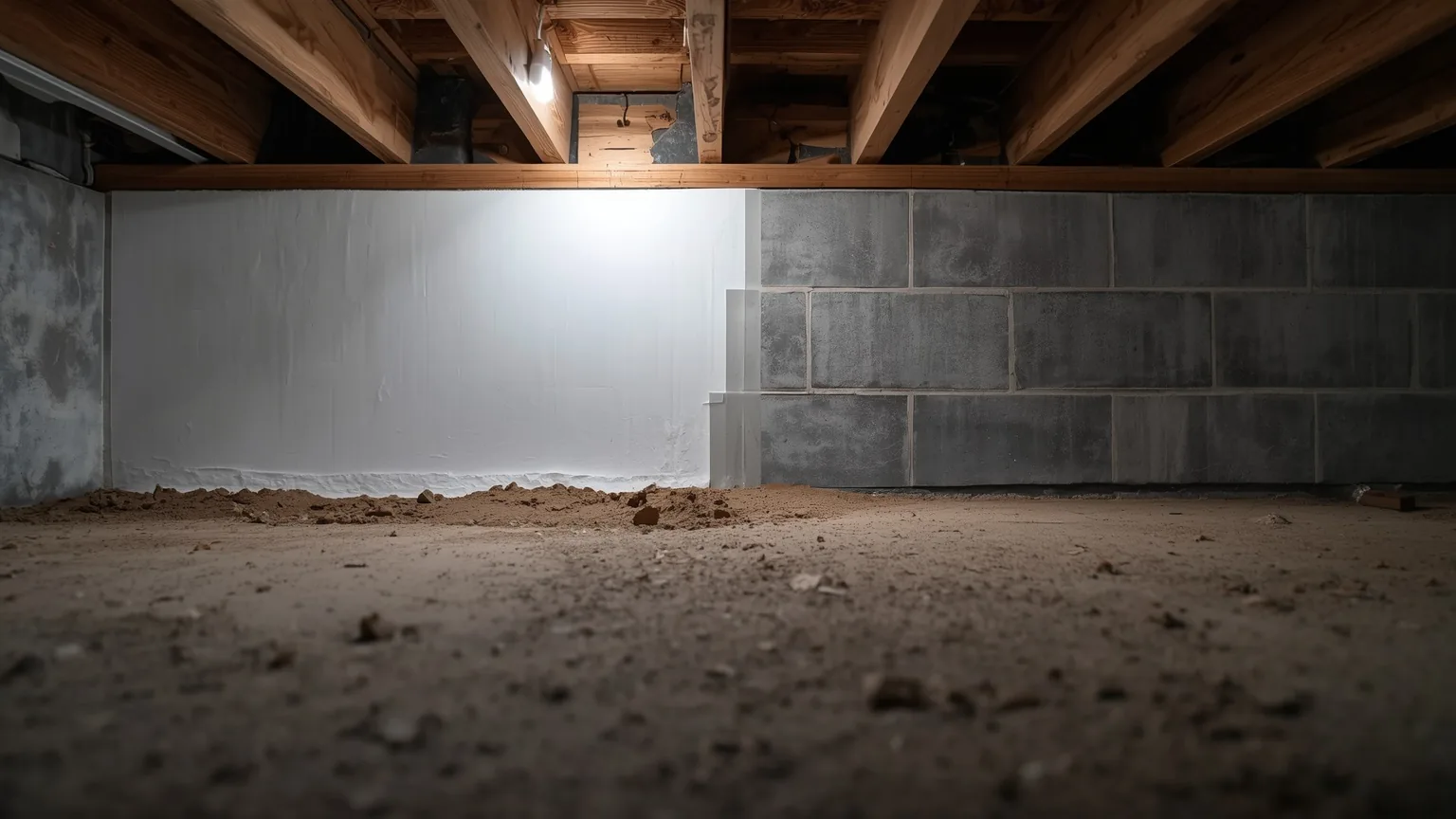
Crawl Space Encapsulation
The full sealed system — liner, closed vents and managed humidity.
Crawl Space Waterproofing
Stopping liquid water from arriving — outside causes checked first.
Find out what is actually causing it.
An inspection underneath, readings taken on site, and a written scope ahead of any figure.